
Cattleya
Cattleya
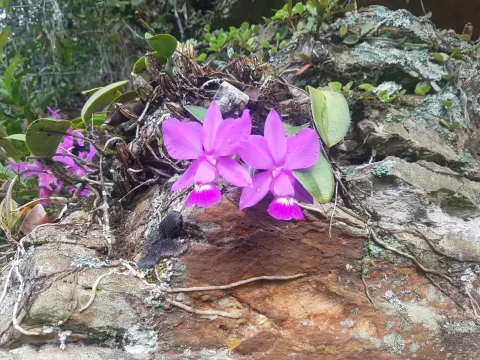
Cattleya is a genus of sympodial orchids within the Orchidaceae family, native to the tropical regions of Central and South America. These plants primarily grow as epiphytes on trees or lithophytes on rock formations, adapted to high moisture and filtered sunlight.
What the section contains
 Cattleya aclandiae
Cattleya aclandiae
Cattleya aclandiae
 Cattleya amethystoglossa
Cattleya amethystoglossa
Cattleya amethystoglossa
 Cattleya araguaiensis
Cattleya araguaiensis
Cattleya araguaiensis
 Cattleya bicolor
Cattleya bicolor
Cattleya bicolor
 Cattleya briegeri
Cattleya briegeri
Cattleya briegeri
 Cattleya cernua
Cattleya cernua
Cattleya cernua
 Cattleya cinnabarina
Cattleya cinnabarina
Cattleya cinnabarina
 Cattleya coccinea
Cattleya coccinea
Cattleya coccinea
 Cattleya crispa
Cattleya crispa
Cattleya crispa
 Cattleya crispata
Cattleya crispata
Cattleya crispata
 Cattleya dormaniana
Cattleya dormaniana
Cattleya dormaniana
 Cattleya elongata
Cattleya elongata
Cattleya elongata
 Cattleya flavasulina
Cattleya flavasulina
Cattleya flavasulina
 Cattleya forbesii
Cattleya forbesii
Cattleya forbesii
 Cattleya gaskelliana
Cattleya gaskelliana
Cattleya gaskelliana
 Cattleya granulosa
Cattleya granulosa
Cattleya granulosa
 Cattleya guttata
Cattleya guttata
Cattleya guttata
 Cattleya harrisoniana
Cattleya harrisoniana
Cattleya harrisoniana
 Cattleya hybrids
Cattleya hybrids
Cattleya hybrids
 Cattleya intermedia
Cattleya intermedia
Cattleya intermedia
 Cattleya jongheana
Cattleya jongheana
Cattleya jongheana
 Cattleya kettieana
Cattleya kettieana
Cattleya kettieana
 Cattleya labiata
Cattleya labiata
Cattleya labiata
 Cattleya lawrenceana
Cattleya lawrenceana
Cattleya lawrenceana
 Cattleya liliputana
Cattleya liliputana
Cattleya liliputana
 Cattleya lobata
Cattleya lobata
Cattleya lobata
 Cattleya lueddemanniana
Cattleya lueddemanniana
Cattleya lueddemanniana
 Cattleya lundii
Cattleya lundii
Cattleya lundii
 Cattleya mendelii
Cattleya mendelii
Cattleya mendelii
 Cattleya milleri
Cattleya milleri
Cattleya milleri
 Cattleya mossiae
Cattleya mossiae
Cattleya mossiae
 Cattleya percivaliana
Cattleya percivaliana
Cattleya percivaliana
 Cattleya porphyroglossa
Cattleya porphyroglossa
Cattleya porphyroglossa
 Cattleya reginae
Cattleya reginae
Cattleya reginae
 Cattleya rupestris
Cattleya rupestris
Cattleya rupestris
 Cattleya schilleriana
Cattleya schilleriana
Cattleya schilleriana
 Cattleya sincorana
Cattleya sincorana
Cattleya sincorana
 Cattleya tenebrosa
Cattleya tenebrosa
Cattleya tenebrosa
 Cattleya tereticaulis
Cattleya tereticaulis
Cattleya tereticaulis
 Cattleya tigrina
Cattleya tigrina
Cattleya tigrina
 Cattleya trianae
Cattleya trianae
Cattleya trianae
 Cattleya violacea
Cattleya violacea
Cattleya violacea
 Cattleya walkeriana
Cattleya walkeriana
Cattleya walkeriana
 Cattleya warneri
Cattleya warneri
Cattleya warneri
 Cattleya warscewiczii
Cattleya warscewiczii
Cattleya warscewiczii
 Cattleya wittigiana
Cattleya wittigiana
Cattleya wittigiana
 Sophronitis coccinea
Cattleya sophronitis
Sophronitis coccinea
Cattleya sophronitis
Cattleya
Botanically, they are characterized by pseudobulbs, which serve as storage organs for water and nutrients, allowing the plant to survive intermittent dry seasons. The leaves are thick and leathery, providing structural integrity in the tropical environments where they originate.
Cultivation success relies on a specific temperature range, typically 20–25°C during the day and a cooler 15–18°C at night. This nocturnal temperature drop is a critical trigger for flower spike initiation and ensures the long-term vigor of the orchid.
The potting medium must be coarse and well-draining, typically consisting of pine bark, charcoal, and perlite. Because Cattleya roots require significant aeration, traditional potting soil is unsuitable and will lead to rapid root suffocation and decay.
Lighting requirements are high; Cattleya orchids thrive in bright, filtered light. While they can tolerate some direct morning sun, intense midday exposure requires shading to prevent leaf desiccation and photochemical stress, which manifests as burnt spots on the foliage.
Common pests include scale insects and mealybugs, which tend to congregate in the leaf axils and around the pseudobulbs. Integrated pest management, involving manual removal and the use of horticultural oils, is highly effective if the infestation is detected early.
Bacterial and fungal infections, such as black rot or soft rot, are prevalent in environments with poor air circulation and excessive moisture. These diseases can progress rapidly, potentially killing the plant within days if left untreated by fungicides.
Viral infections, specifically the Cattleya Mosaic Virus, present as distorted patterns or yellow streaks on the leaves. Since there is no cure for these viruses, affected plants should be destroyed to prevent the spread of the pathogen to the rest of the collection.
Improper watering routines often lead to root rot, the most frequent cause of mortality in cultivated Cattleyas. Allowing the substrate to dry out almost completely between waterings is the most reliable method for maintaining healthy root systems in a domestic setting.
Over-fertilization can result in salt accumulation in the substrate, which burns the delicate root tips. A balanced, dilute liquid fertilizer applied during the active growth phase is recommended, followed by occasional flushing of the pot with pure water.