
Cattleya intermedia
Cattleya intermedia
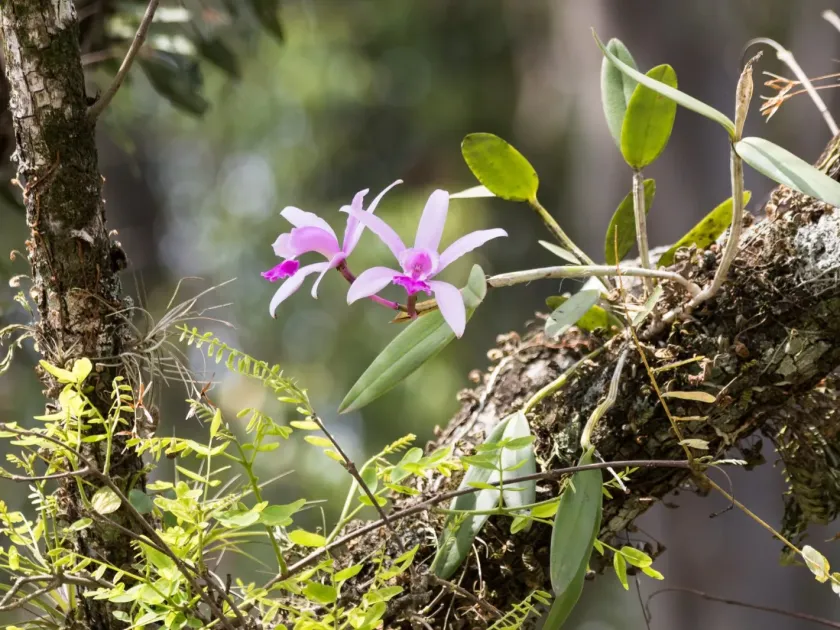
Description
Growing requirements
Cattleya intermedia is a renowned epiphytic orchid belonging to the Orchidaceae family, native to the coastal regions of Brazil. Known for its distinct growth habit, it features elongated pseudobulbs and thrives in humid, subtropical forest environments.
This crop requires bright, filtered light to maintain healthy growth and trigger blooming. In greenhouse production, proper shading is essential to prevent leaf scorch during peak summer hours while ensuring sufficient intensity for photosynthesis.
The optimal temperature range for this species is 20°C to 25°C during the day, with a cooler night cycle essential for metabolic health. Maintaining high relative humidity, ideally between 60% and 75%, is critical for the plant to thrive without excessive moisture stress.
Growing media should mimic the plant's natural epiphytic habitat. A coarse mix consisting of pine bark, charcoal, and perlite provides the necessary drainage and aeration required by the orchid's specialized, water-sensitive root system.
Cultural management includes careful watering practices. The growing medium must be allowed to approach dryness between watering events to prevent root suffocation. Regular fertilization with a balanced orchid-specific formula is applied during the active vegetative growth phase.
Yield
The commercial value of Cattleya intermedia lies in its horticultural appeal for specialized orchid markets. It is highly valued for its striking bi-color blooms and is frequently utilized in breeding programs to introduce desirable traits into new hybrids.
Main diseases and pests
The primary threats to crop health include fungal pathogens such as Phytophthora and various bacterial rots, often stemming from overwatering or inadequate air circulation. Cultural control involves ensuring rapid drying of foliage and proper spacing.
Insect pests, including scale insects, mealybugs, and spider mites, are common issues in confined cultivation settings. Monitoring for signs of infestation and applying appropriate systemic pesticides or horticultural oils is necessary to protect the plant collection.