
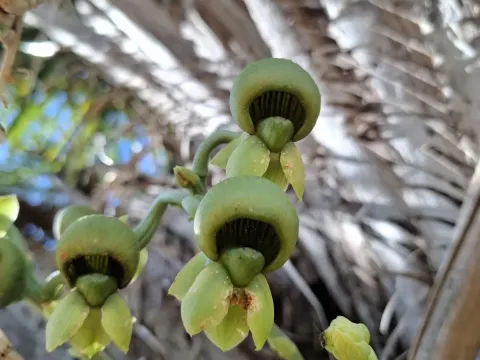
Catasetum
Catasetum
Catasetum is a genus of epiphytic orchids belonging to the Orchidaceae family. These plants are native to the tropical forests of Central and South America, where they grow primarily on the trunks and branches of trees.
What the section contains
 Catasetum blackii
Catasetum blackii
Catasetum blackii
 Catasetum discolor
Catasetum discolor
Catasetum discolor
 Catasetum gardneri
Catasetum gardneri
Catasetum gardneri
 Catasetum hybrid
s
Catasetum hybrid
Catasetum hybrids
 Catasetum imperiale
Catasetum imperiale
Catasetum imperiale
 Catasetum integerrimum
Catasetum integerrimum
Catasetum integerrimum
 Catasetum laminatum
Catasetum laminatum
Catasetum laminatum
 Catasetum longifolium
Catasetum longifolium
Catasetum longifolium
 Catasetum macrocarpum
Catasetum macrocarpum
Catasetum macrocarpum
 Catasetum pileatum
Catasetum pileatum
Catasetum pileatum
 Catasetum socco
Catasetum socco
Catasetum socco
 Catasetum tenebrosum
Catasetum tenebrosum
Catasetum tenebrosum
Catasetum
Botanically, the crop is characterized by a distinct dormancy period during which the plant sheds all its leaves. The pseudobulbs have a spindle or conical shape and serve as the main reservoir for storing moisture and essential nutrients.
For successful growth, Catasetum requires bright, indirect light during the vegetative period and warm conditions. In the active growth phase, the temperature should be maintained between +22 and +30 degrees Celsius, with high air humidity and proper ventilation.
The growing medium for this crop must be moisture-retentive yet well-aerated. The ideal substrate is a mixture of fine pine bark, sphagnum moss, perlite, and charcoal, which ensures quick drainage of excess water away from the root system.
During the growing season, the plant requires abundant watering and regular fertilization with orchid-specific fertilizers high in nitrogen. As autumn approaches and growth slows down, watering must be gradually reduced and eventually stopped for the winter dormancy period.
The primary threats to Catasetum when cultivation techniques are neglected include fungal and bacterial rots, which affect roots and pseudobulbs in stagnant moisture conditions. It is crucial to prevent water from accumulating in the center of young shoots to avoid decay.
Among pests, the most dangerous for this crop are spider mites and scale insects, which multiply rapidly in dry air conditions. Regular prophylactic treatments with insecticides and acaricides are essential for maintaining the health of the collection.