
Cattleya bicolor
Cattleya bicolor
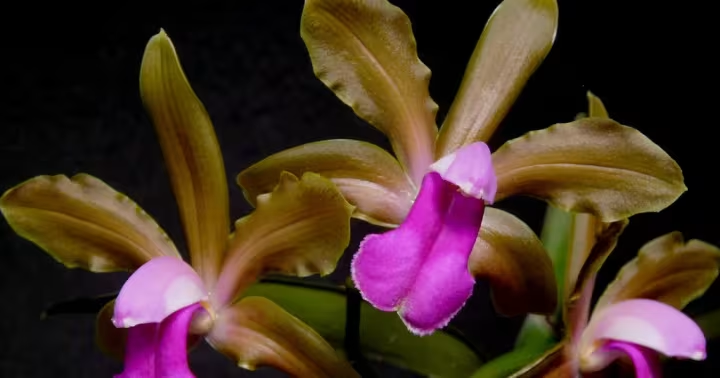
Description
Growing requirements
Cattleya bicolor is a distinct species within the Orchidaceae family, native to the tropical forests of Brazil. This epiphytic orchid is highly regarded for its unique, dual-colored flowers and requires specific environmental conditions that mirror its natural canopy habitat.
Optimal growth requires high light intensity, similar to that of many other Cattleyas, but with protection from harsh midday sun. A light level that produces medium-green leaves is generally considered ideal for inducing the physiological processes necessary for blooming.
The plant thrives in temperatures ranging from 22°C to 28°C during the day and requires a cooling off period at night, ideally between 15°C and 18°C. This diurnal temperature fluctuation is essential for the metabolic cycle and overall health of the orchid.
The root system requires excellent drainage, which is best achieved by using an open, chunky medium. Common ingredients include pine bark, perlite, and charcoal, which prevent compaction and allow oxygen to reach the velamen covering the roots effectively.
Watering frequency depends heavily on the ambient humidity and the season. During active growth, the medium should be kept moist but allowed to dry out slightly before the next irrigation to prevent anaerobic conditions that lead to root necrosis.
Main diseases and pests
Cattleya bicolor is susceptible to various pests, including scale insects and mealybugs that congregate on the pseudobulbs and leaf axils. Mechanical removal followed by insecticidal soap application is a common management practice.
Fungal infections, particularly Botrytis or various forms of root rot, are common if air circulation is poor or if the plant remains waterlogged for extended periods. Maintaining a sterile growing environment and ensuring constant airflow are the most effective preventative measures.