
Cattleya labiata
Cattleya labiata
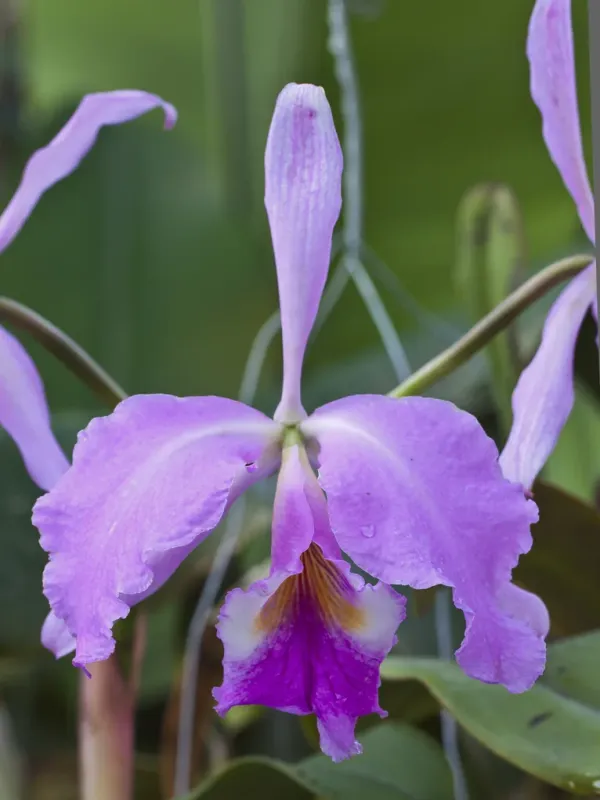
Description
Growing requirements
Cattleya labiata is a prized species belonging to the Orchidaceae family. Often referred to as the Crimson Cattleya, it is native to the tropical forests of Brazil, where it grows as an epiphyte, anchoring itself to the branches of canopy trees.
The plant requires bright, filtered sunlight to achieve optimal growth and flowering. In controlled agricultural environments, light intensity should be carefully managed, often involving shading during peak summer hours to prevent leaf scorching while maintaining sufficient light for energy production.
Temperature requirements involve a distinct cycle of warm days and cooler nights. Keeping the plant in a moderate environment (20–28°C) during its active growing season is essential for the maturation of its pseudobulbs, which serve as storage organs for water and nutrients.
The choice of substrate is fundamental to its health; it must provide excellent drainage and airflow to the root system. Professionals typically use a coarse mix of pine bark, charcoal, and perlite to prevent the roots from remaining damp for too long, which is a common cause of failure.
Humidity management is crucial, ideally staying between 60% and 80%. Proper ventilation must accompany high humidity levels to prevent the stagnation of air, which otherwise invites fungal and bacterial pathogens to develop within the greenhouse environment.
Main diseases and pests
Common agricultural pests affecting this species include scale insects and mealybugs. These pests hide in leaf axils and beneath the sheaths of pseudobulbs, requiring systemic insecticides or manual removal to prevent significant plant stress.
Fungal infections, such as Black Rot (caused by Phytophthora or Pythium species), are the most severe threats. These are typically triggered by overwatering or poor water quality, necessitating the immediate isolation of infected plants and the use of specialized fungicides to save the collection.