
Cattleya wittigiana
Cattleya wittigiana
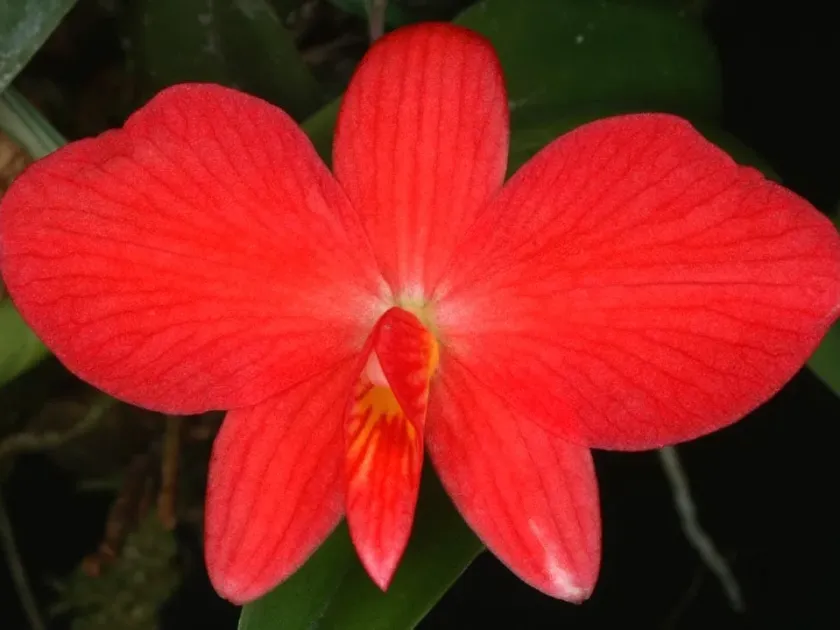
Description
Growing requirements
Cattleya wittigiana belongs to the Orchidaceae family and is a distinctive epiphytic species originating from the tropical regions of Brazil. This plant thrives in specialized microclimates characterized by high atmospheric humidity and good air movement.
For successful cultivation, the plant requires a stable temperature range of +18°C to +25°C. Diurnal temperature variations are crucial for the plant's metabolic activity, mimicking its natural habitat to ensure healthy growth cycles and robust development.
The growing medium must be highly porous, typically composed of conifer bark, charcoal, and sphagnum moss. This composition is essential to maintain proper oxygenation for the root system, as Cattleya species are extremely sensitive to root suffocation.
Lighting should be bright but filtered to prevent leaf scorching. In commercial production facilities, managing light intensity is vital to optimize photosynthesis without causing heat stress to the sensitive foliage of the plant.
The primary horticultural application of Cattleya wittigiana is in the professional ornamental trade and specialized breeding programs. Due to its unique morphology, it is highly valued by orchid enthusiasts and commercial nurseries for decorative purposes.
Main diseases and pests
The culture is susceptible to various fungal pathogens, particularly root rot, which is primarily caused by poor drainage and excessive moisture retention in the growing medium.
Common pests including spider mites and mealybugs present a significant risk by infesting the pseudobulbs and leaves, which can lead to severe physiological decline.
Management strategies focus on strict quarantine procedures for new plants and the use of targeted systemic fungicides to maintain a clean cultivation environment.
Early detection of infestations is critical; regular visual inspections allow for manual removal of pests or timely application of localized horticultural oils.
Maintaining optimal airflow around the plants significantly reduces the incidence of viral and bacterial diseases that are often difficult to control once established.