
Odontioda
Odontioda
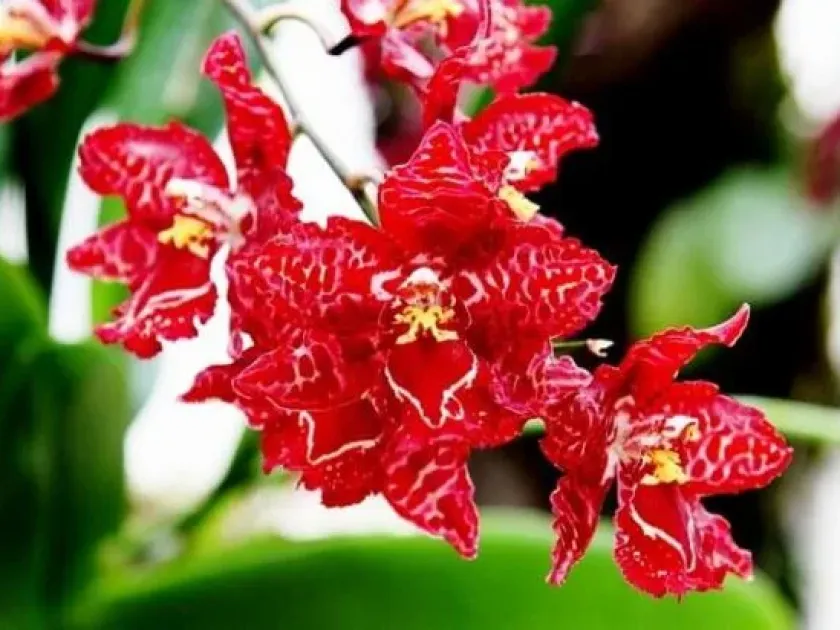
Description
Growing requirements
Odontioda is a sophisticated intergeneric hybrid created by crossbreeding members of the Odontoglossum and Cochlioda genera. Belonging to the Orchidaceae family, this plant is highly prized for its vibrant, star-shaped flowers and impressive inflorescences.
This orchid thrives in cool to intermediate temperature conditions. A crucial requirement for healthy growth is a distinct temperature drop at night, ideally staying around 12°C to 15°C, to ensure the plant maintains its vigor and produces flowers.
Bright, indirect light is essential for the photosynthesis of this species. Direct sun exposure should be strictly avoided as it can cause rapid dehydration and scorched leaf tissue, compromising the plant's aesthetic and biological health.
The planting medium must be highly porous and well-draining, typically consisting of coniferous bark, perlite, and horticultural charcoal. Proper aeration within the root zone is vital to prevent the onset of anaerobic conditions that lead to rot.
Watering protocols should focus on the wet-dry cycle, ensuring the medium is partially dry before the next hydration. High ambient humidity is preferred, often requiring specialized equipment to maintain levels between 60% and 70% in indoor environments.
Main diseases and pests
The most common pests affecting Odontioda are spider mites and scale insects, which often thrive in dry indoor conditions. These pests feed on the plant's sap and can cause significant damage if not addressed through early detection and intervention.
Bacterial and fungal pathogens pose a severe risk, often manifesting as soft rot or leaf spotting. These issues are almost always linked to excessive moisture and poor air circulation around the plant's crown and root system.
Effective management includes maintaining a clean growing area and ensuring that water does not remain trapped in the leaf axils, which acts as a breeding ground for opportunistic pathogens.
Chemical control via contact insecticides or systemic fungicides is recommended if manual removal of pests and environmental adjustments fail to curb the infection spread within the collection.
Cultural practices such as annual repotting help to replace degraded substrate, preventing the buildup of salts and harmful microbial populations that contribute to the decline of the plant's health over time.