
Sophronitis coccinea
Cattleya sophronitis
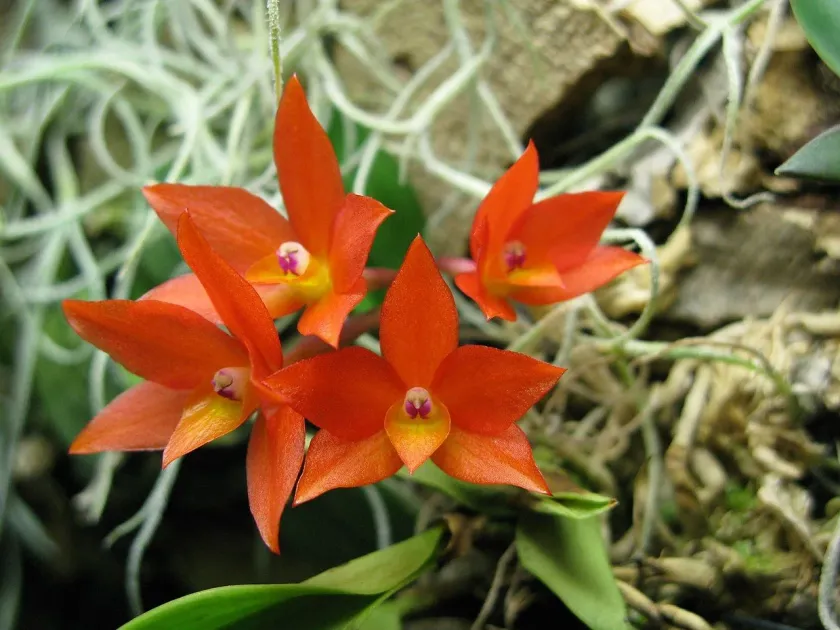
Description
Growing requirements
Sophronitis coccinea is a miniature epiphytic orchid belonging to the Orchidaceae family. Native to the humid, high-altitude cloud forests of Brazil, this species is well-adapted to cool, misty environments with high atmospheric moisture.
The cultural requirements are centered on temperature management. It thrives in cool climates, requiring a significant diurnal temperature drop to maintain vigor, as sustained heat can rapidly lead to plant dehydration and physiological decline.
A well-aerated potting medium is essential for the root system, which is highly susceptible to rot. Fine-grade fir bark mixed with perlite or long-fiber sphagnum moss is the standard approach to balance moisture retention and essential airflow.
Light intensity for this species should be bright but filtered. In artificial settings, providing adequate light prevents etiolation and encourages the development of the brilliant, characteristic red flowers that the species is known for.
Maintaining high relative humidity is vital for the survival of this orchid. Growers typically employ misting systems or humidity trays to create a consistent microclimate, ensuring the plant does not experience excessive transpiration stress.
Main diseases and pests
Pest pressure from scale insects and spider mites is a common challenge, especially during periods of lower humidity. These pests tend to colonize the undersides of leaves and pseudobulbs, necessitating frequent monitoring and intervention.
Fungal pathogens such as Fusarium and Pythium pose a significant threat, primarily when the root system remains waterlogged. Ensuring excellent drainage and using fungicides as a preventive measure can mitigate the risk of infection.
Bacterial soft rot can occur if water remains trapped in the leaf axils or growth points during cooler periods. Providing adequate ventilation and air circulation is the most effective cultural method to prevent such bacterial outbreaks.
Viral infections can affect the long-term health of the plant, often appearing as necrotic rings or distorted tissue. Strict hygiene, including the sterilization of cutting tools, is necessary to prevent the mechanical transmission of these pathogens.
Integrated pest management, including biological controls and targeted chemical application, is recommended to keep the plants healthy. Maintaining strong, balanced growth through proper fertilization and environment control remains the best defense against threats.