
Cattleya hybrids
Cattleya hybrids
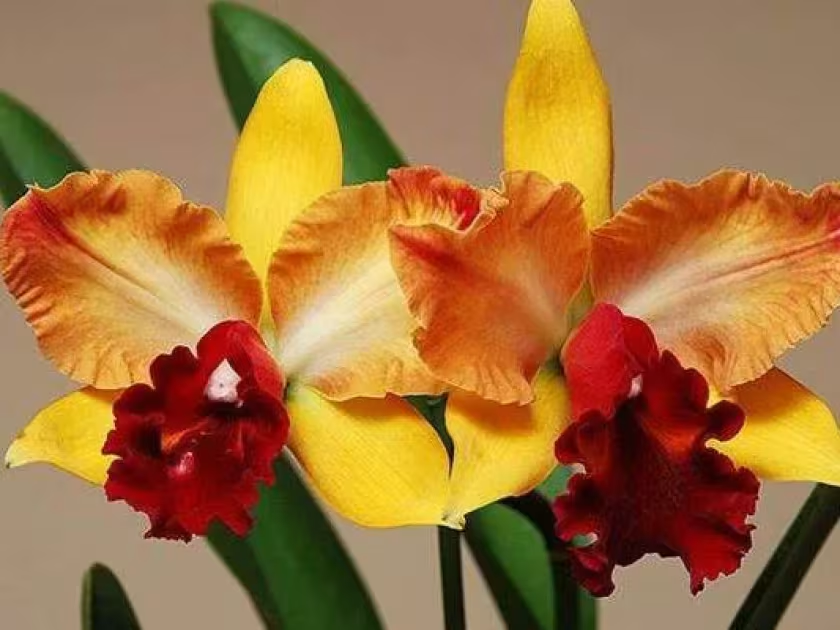
Description
Growing requirements
Cattleya hybrids are esteemed members of the Orchidaceae family, widely cultivated for their large, fragrant, and highly ornamental flowers. Botanically, these plants are sympodial epiphytes characterized by the development of pseudobulbs, which serve as storage organs for moisture and energy.
Native to the tropical regions of the Americas, these orchids naturally grow on tree bark or rock crevices. Modern hybrids have been engineered to combine the most desirable traits of various species, ensuring better resilience and flowering performance in controlled environments.
Proper agricultural management requires a careful balance of high light intensity and proper ventilation. Cattleya hybrids thrive when given bright, indirect sunlight, which is essential for the maturation of their pseudobulbs and subsequent inflorescence development.
The choice of growing medium is crucial for the health of the root system. Most growers prefer a coarse substrate consisting of pine bark, charcoal, and sometimes perlite or moss, which ensures excellent drainage and allows the roots to breathe between watering sessions.
Watering protocols must follow the orchid's growth cycle. It is recommended to provide ample hydration during the growing season and reduce it significantly during the dormancy phase to mimic their natural habitat conditions and prevent root rot.
Main diseases and pests
Fungal pathogens represent the most significant threat to Cattleya health, particularly when humidity levels are excessive and air circulation is poor. Black rot and other fungal infections can quickly compromise the plant's structural integrity.
Scale insects are common pests that attach themselves to the pseudobulbs and leaves, feeding on sap and weakening the plant. These pests are often protected by a waxy cover, making them difficult to eradicate without specific contact insecticides.
Thrips and spider mites can also infest collections, particularly in dry and warm greenhouse conditions. These pests cause cosmetic damage and reduce the plant's ability to photosynthesize effectively, impacting overall vigor.
Viruses, such as the Cymbidium Mosaic Virus, are incurable and devastating for commercial production. They often manifest as leaf necrosis or distorted growth, requiring strict culling to protect the rest of the orchid collection.
Effective management includes maintaining optimal sanitation levels, ensuring sufficient spacing between pots for airflow, and using sterile tools whenever pruning or repotting is required.