
Cattleya porphyroglossa
Cattleya porphyroglossa
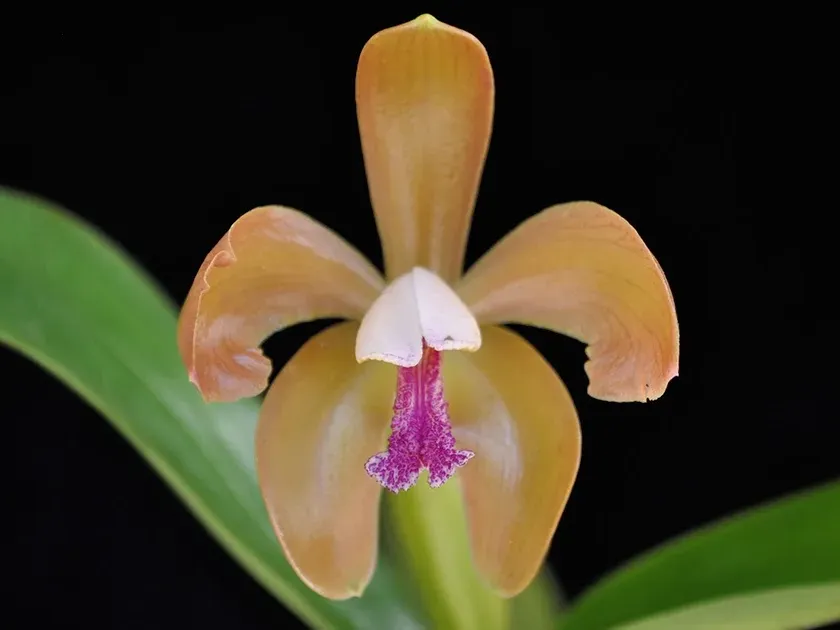
Description
Growing requirements
Cattleya porphyroglossa is a distinctive species of orchid belonging to the Orchidaceae family. It is an epiphytic plant that naturally thrives in the humid rainforests of Brazil, often attaching itself to tree trunks and branches.
To cultivate this species successfully, growers must emulate its native environment. This includes providing high ambient humidity, ideally between 70% and 80%, which supports the plant's metabolic functions and overall growth.
The substrate selection is critical for the health of the root system. A coarse-grade orchid bark mix is recommended to ensure excellent aeration and rapid drainage, as this species does not tolerate "wet feet."
Temperature management should follow a diurnal cycle. A daytime temperature ranging from 22°C to 28°C, combined with a nighttime drop to around 16°C, is essential for encouraging the orchid to enter its blooming cycle.
Light requirements are relatively high; the plant needs bright, filtered light to produce its characteristic blooms. Direct exposure to the midday sun should be avoided to prevent scorched leaves and dehydration.
Main diseases and pests
Common pests that plague Cattleya porphyroglossa include scale insects and mealybugs. These pests hide in leaf axils and beneath bark, making regular inspections vital for early detection.
Root rot is the most significant threat, typically caused by water accumulating in the substrate for too long. If the roots become soggy or discolored, immediate repotting into fresh, dry substrate is necessary.
Fungal infections, such as black rot, can quickly spread through the pseudobulbs if humidity is high without sufficient air movement. Strategic use of small fans can help keep the foliage dry.
Viral infections are a silent killer in orchid collections. They are often transmitted through unsterilized cutting tools, so disinfection between plants is a mandatory practice for all responsible growers.
Leaf spotting diseases, caused by various pathogens, can be mitigated by ensuring that water does not pool in the crown or leaf junctions, especially during cooler, low-light winter months.