
Cattleya crispata
Cattleya crispata
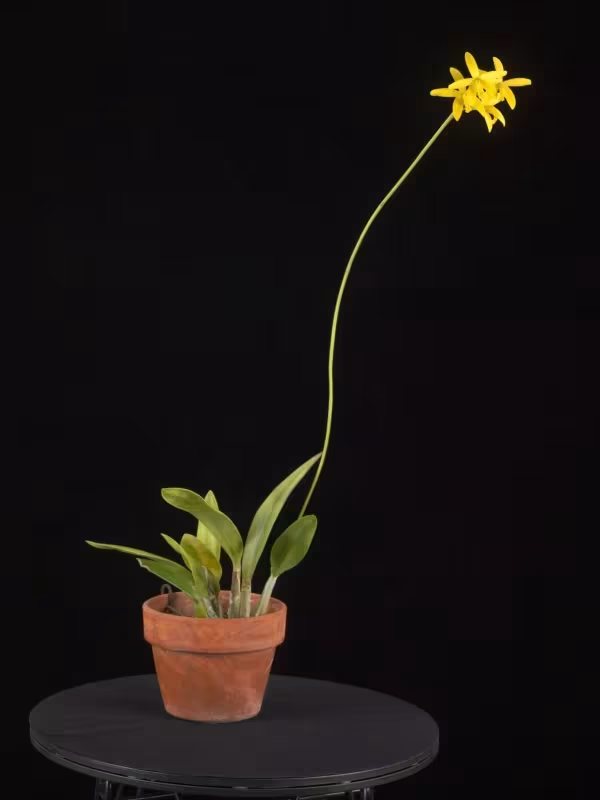
Description
Growing requirements
Cattleya crispata is a distinctive species of epiphytic orchid belonging to the Orchidaceae family. Native to the rocky terrains of Brazil, this plant has adapted to harsh environmental conditions, often growing directly on stone surfaces as a lithophyte, requiring high levels of solar radiation.
The plant exhibits a sympodial growth habit, producing compact pseudobulbs that store water and nutrients to survive prolonged dry periods. Its leaves are notably thick and leathery, an evolutionary trait that protects the plant from excessive transpiration in direct sunlight.
Effective cultivation requires high-intensity light levels, as these plants thrive when exposed to bright, indirect or dappled sunlight. Maintaining a significant diurnal temperature variation is essential for the plant's metabolic processes and to trigger the initiation of inflorescences during the appropriate seasonal cycle.
The substrate must be highly breathable, as root health is contingent upon optimal gas exchange. Standard orchid potting mixes, consisting primarily of large-grade pine bark, charcoal, and inorganic drainage materials, are necessary to prevent root suffocation caused by waterlogging.
Irrigation practices must prioritize the total drying of the potting media between watering sessions. Proper airflow within the cultivation area is paramount to mimic the breezy mountain conditions of its natural habitat, thereby promoting vigorous growth and reducing the likelihood of physiological stress.
Main diseases and pests
Root and crown rot represent the most significant threats to the viability of Cattleya crispata. These issues typically stem from improper drainage or excessive watering, which compromises the integrity of the root system and encourages the proliferation of soil-borne pathogens.
Insect pests, such as spider mites and scale insects, frequently target this species, especially in environments with insufficient humidity. These pests thrive in dry air and can rapidly weaken the plant by extracting sap from the leaf surfaces and pseudobulbs.
Mealybugs are another common challenge, often hiding in the crevices between leaf bases where they are difficult to detect during early infestations. Integrated pest management, including the use of systemic insecticides, is crucial for preserving the plant's health in professional or enthusiast collections.
Bacterial spots, often triggered by injuries or poor sanitary conditions, can quickly spread through the foliage if not treated promptly. Removing affected tissues and maintaining sterile conditions for all pruning tools is essential to stop the spread of infection.
Preventative care through consistent monitoring and strict adherence to environmental standards significantly reduces the vulnerability of the plants to both biotic and abiotic stressors. Ensuring clean cultivation areas helps maintain the long-term health and vitality of the orchid.