
Cattleya kettieana
Cattleya kettieana
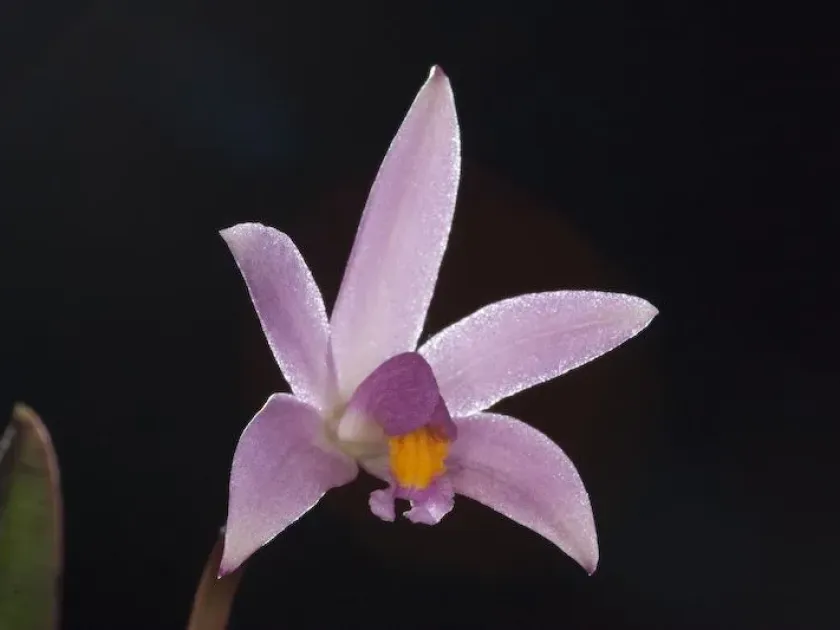
Description
Growing requirements
Cattleya kettieana is a specialized species within the Orchidaceae family, originating from the tropical regions of South America where it thrives in epiphytic habitats.
This crop requires a carefully controlled environment, characterized by high relative humidity, generally ranging between 60% and 80% to ensure optimal leaf and root health.
Temperature management is crucial; the plant performs best in a moderate climate with significant diurnal variations, allowing the plant to recover and process nutrients efficiently overnight.
The substrate must prioritize drainage and aeration, typically consisting of coarse bark, charcoal, and perlite, which prevents the roots from remaining in a saturated, anaerobic state.
Light exposure for this species needs to be intense yet diffused, simulating the filtered light conditions of the forest canopy, which prevents scorching of the foliage while fueling growth.
Main diseases and pests
Fungal pathogens represent the most significant threat to Cattleya kettieana, often triggered by insufficient air circulation around the root zone and excessive surface water.
Spider mites are common pests that thrive in dry indoor conditions, potentially causing severe damage to the chlorophyll-rich tissues if not addressed with prompt intervention.
Scale insects can establish themselves on the pseudobulbs, draining nutrients and weakening the overall vitality of the orchid, necessitating manual removal or specialized treatments.
Water quality issues, specifically high salinity and mineral content, can lead to the accumulation of toxic elements in the substrate, damaging the delicate root hairs.
Regular preventive maintenance, including sanitizing tools and monitoring humidity levels, is essential to mitigate the risk of viral and bacterial infestations in a greenhouse or home environment.