
Cattleya warscewiczii
Cattleya warscewiczii
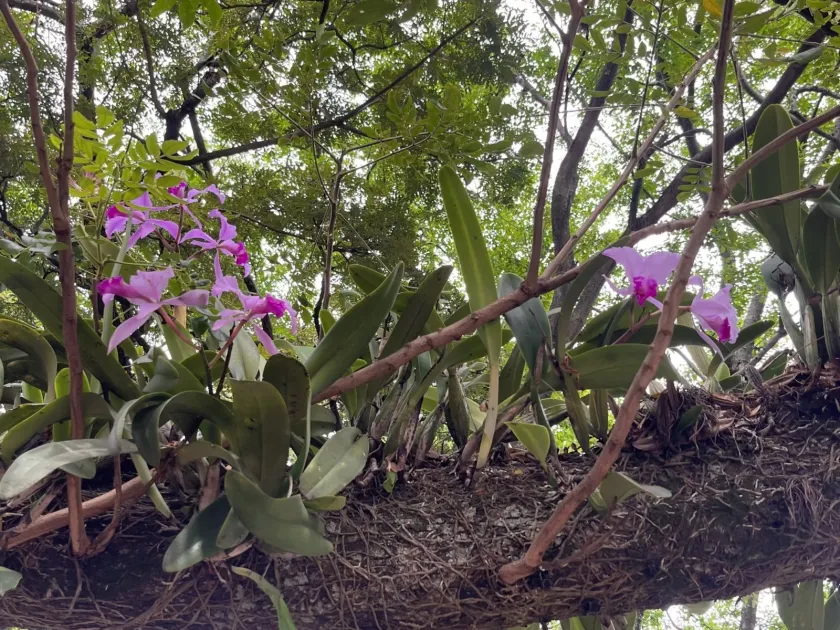
Description
Growing requirements
Cattleya warscewiczii is a prestigious species within the Orchidaceae family, renowned for its massive, showy flowers that can reach up to 10 inches in diameter. As a sympodial epiphyte, it relies on its pseudobulbs to store water and nutrients, which is a critical adaptation for survival in its native tropical environment.
Originating from the mountainous regions of Colombia, this species thrives in climates with high humidity and significant diurnal temperature variations. These environmental conditions simulate the natural mist-shrouded forests, promoting healthy vegetative growth and vigorous root development.
Regarding botanical characteristics, this orchid features robust pseudobulbs that typically produce a single, thick, leathery leaf. The root system is vigorous and sensitive to stagnant water, requiring a well-draining, airy substrate to prevent root rot and maintain long-term plant health.
Optimal growth requires high light intensity, similar to that of a sunny windowsill or a greenhouse setting with supplemental shading. During the peak of the growing season, consistent moisture and regular fertilization with a balanced orchid-specific formula are essential for maximizing floral production.
Temperature management is crucial: during the active growth phase, daytime temperatures between 75°F and 85°F are ideal. A distinct drop in nighttime temperatures is necessary to trigger the flower spikes, reinforcing the plant's natural rhythm and vigor.
Main diseases and pests
The primary pests affecting Cattleya warscewiczii include scale insects and spider mites, which can proliferate rapidly in dry environments. Monitoring the foliage and pseudobulbs regularly is necessary to intervene before an infestation causes significant damage to the plant tissue.
Fungal infections, often manifesting as black rot or leaf spotting, are common risks in high-humidity cultivation without adequate air circulation. Ensuring that the leaves dry off completely after watering and maintaining good air movement are the best prophylactic measures for preventing these diseases.