
Cattleya aclandiae
Cattleya aclandiae
Description
Growing requirements
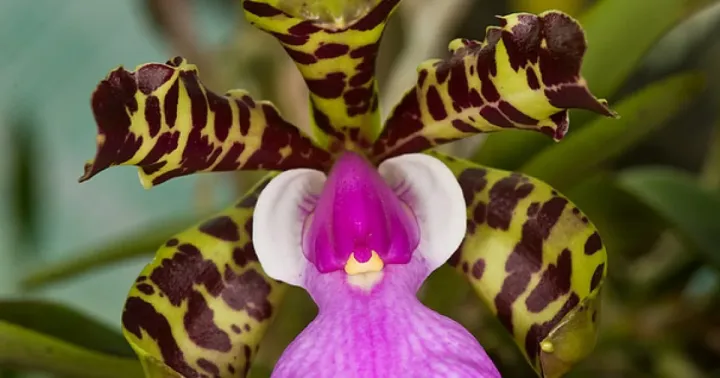
Cattleya aclandiae is a distinct epiphytic orchid species belonging to the Orchidaceae family. Native to the tropical regions of Brazil, this orchid typically grows on tree branches, thriving in an environment characterized by high humidity and excellent air circulation.
Cultivation of this species requires bright, filtered light conditions to ensure healthy growth and flowering. Maintaining a temperature range of 20 to 28 degrees Celsius is ideal, provided that there is a significant drop in temperature during the night to trigger blooming cycles.
The substrate for Cattleya aclandiae must be highly permeable, utilizing coarse orchid bark or mounted cork slabs. Because the roots are adapted to be exposed to air, the medium should allow for rapid drainage to prevent water stagnation, which is the leading cause of root rot.
Consistent humidity levels of 60 to 80 percent are essential for this plant. During the growing season, watering should be thorough, followed by a complete drying period for the substrate to protect the root system from fungal pathogens and physiological stress.
Fertilization should be applied sparingly during active growth periods using balanced orchid-grade formulas. It is critical to flush the growing medium with plain water occasionally to remove accumulated mineral salts that can negatively impact the delicate root structure.
Main diseases and pests
Common agricultural threats include infestations by spider mites, mealybugs, and scale insects, especially in environments with poor ventilation. Fungal and bacterial infections, such as root rot or spotting, are primarily caused by overwatering and lack of air movement around the pseudobulbs.