
Cattleya trianae
Cattleya trianae
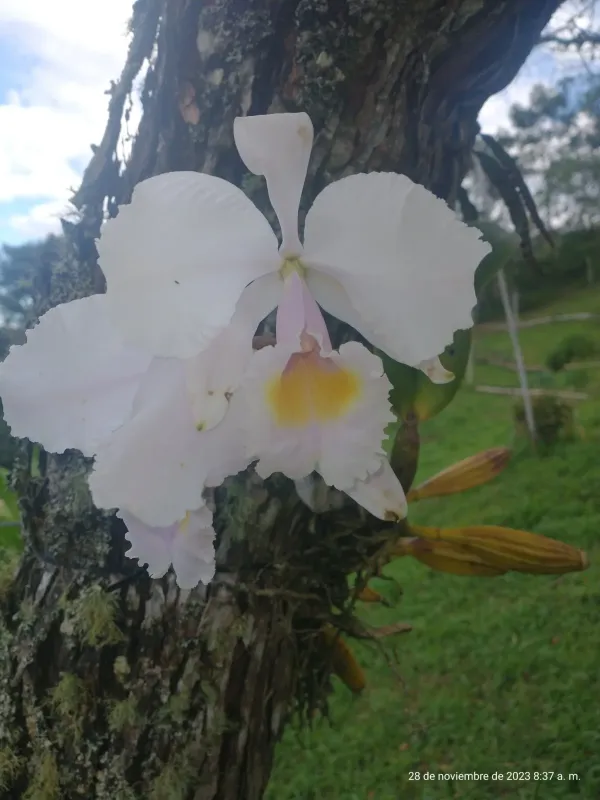
Description
Growing requirements
Cattleya trianae is a celebrated orchid species within the Orchidaceae family. Native to the mountain forests of Colombia, it is known as an epiphyte that naturally grows on tree branches, thriving in humid, high-altitude tropical environments.
Optimal growth requires a bright, diffused light environment. While these orchids need high intensity for energy production, direct midday sun will damage the leaves, causing necrosis or severe yellowing of the foliage.
The temperature range should replicate a tropical climate with a distinct diurnal shift. Providing a drop in temperature at night is essential for the metabolic process and helps the plant produce high-quality, fragrant inflorescences.
The potting medium must prioritize drainage and aeration. Coarse-grade pine bark is the industry standard for this species, as it allows roots to breathe and prevents the accumulation of water, which could lead to root rot.
Humidity management is crucial for this crop, ideally remaining between 60% and 80%. Proper ventilation must accompany high humidity to prevent stagnant air pockets, which serve as breeding grounds for pathogens.
Main diseases and pests
Scale insects are a common pest that can hide in the bracts and beneath the foliage. If left unchecked, these insects suck the sap, significantly reducing the plant's vigor and leading to secondary infections.
Spider mites are particularly problematic during the drier periods of the year. They thrive in environments where air circulation is insufficient and relative humidity levels drop below acceptable thresholds.
Root rot is the most lethal condition for Cattleya trianae, usually caused by poor irrigation management. When the substrate stays wet for too long, the root structure begins to decompose, leading to the rapid decline of the entire plant.
Leaf spot diseases, often caused by fungi like Phyllosticta, present as dark patches on the foliage. These are primarily triggered by high humidity levels combined with poor airflow, requiring targeted fungicide applications.
Viral infections, such as those caused by the Odontoglossum ringspot virus, create unsightly patterns on the leaves. Because these viruses are systemic and incurable, sanitation protocols involving sterile tools are the only way to safeguard the collection.