
Cattleya tereticaulis
Cattleya tereticaulis
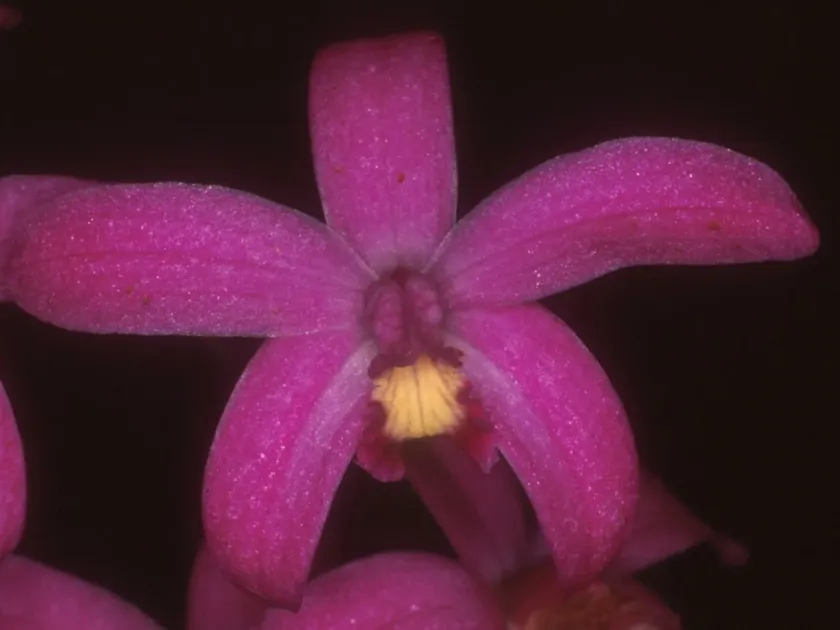
Description
Growing requirements
Cattleya tereticaulis is a distinct species within the Orchidaceae family, natively found in the tropical regions of South America. As an epiphyte, it has evolved to thrive on the branches of trees, which necessitates specific requirements for its cultivation in a greenhouse or indoor environment.
The primary environmental requirement for this species is high-intensity, bright filtered light. Providing adequate light is essential for the maturation of the pseudobulbs, which are the plant's storage organs, ensuring they have sufficient energy reserves to initiate the flowering cycle annually.
Temperature control is crucial; the plant requires warm days and cooler nights. A temperature differential is a natural trigger for metabolic processes and helps prevent the plant from becoming overly exhausted during the vegetative growth phase throughout the active season.
The choice of growing medium is a fundamental aspect of its agrotechnology. It requires a coarse, porous medium such as large-grade orchid bark, charcoal, and perlite. This mixture promotes rapid drainage and prevents the roots from remaining damp for too long, which is vital for long-term health.
Watering protocols should be strict, allowing the substrate to dry out almost completely between waterings. The quality of water is equally important, as this orchid is sensitive to mineral salts; therefore, using purified or rainwater is highly recommended for optimal development.
Main diseases and pests
Root rot, driven by stagnant water and insufficient airflow, is the most common and lethal threat to Cattleya tereticaulis. It is imperative to maintain proper ventilation around the plant to ensure the surface of the root system dries sufficiently after each irrigation event.
Mealybugs are frequent pests that infest the hidden areas under the papery sheaths of the pseudobulbs. Once established, these insects are difficult to eradicate, requiring consistent application of systemic insecticides to break the pest's reproductive cycle.
Spider mites pose a significant risk, especially during periods of low relative humidity in the growing environment. They damage the leaf tissue, leading to a loss of vigor, and can be mitigated by increasing humidity and using appropriate miticides when an infestation is detected.
Scale insects can attach themselves to the leaves and stems, piercing the plant's cuticle to feed on sap. Regular inspection of the plant's foliage is recommended to catch these pests early before they spread across the entire structure of the orchid.
Bacterial soft rot can occur if water remains trapped in the center of new shoots or leaf axils. To manage this risk, it is essential to keep the foliage dry, particularly during cooler times of the day or in conditions with low evaporation rates.