
Cattleya elongata
Cattleya elongata
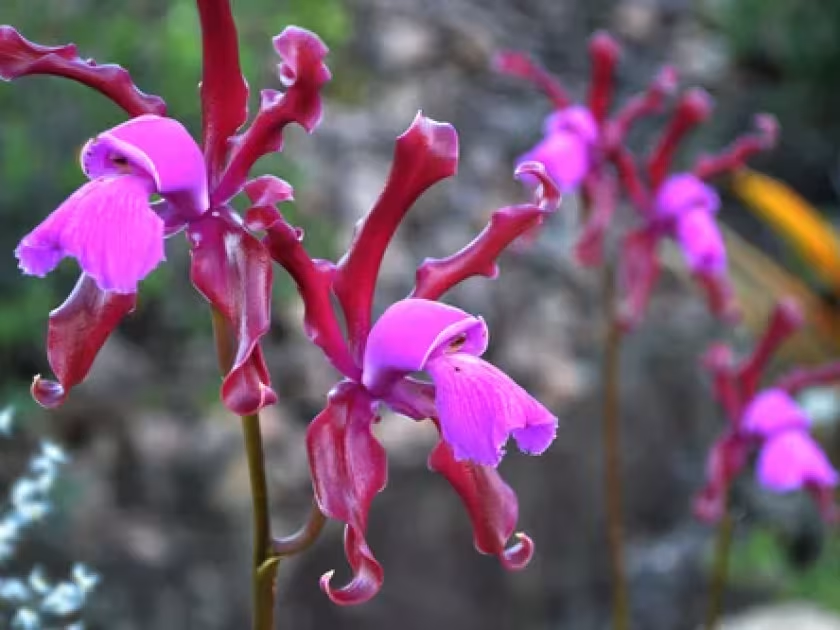
Description
Growing requirements
Cattleya elongata is a perennial herbaceous plant belonging to the Orchidaceae family. Unlike many other Cattleya species that grow primarily as epiphytes, this specific orchid is recognized as a lithophyte, meaning it naturally thrives on rocky substrates and cliff faces.
This species is endemic to Brazil, specifically originating from the state of Bahia. Its natural habitat is characterized by high light intensity and excellent air circulation, which are the fundamental parameters that must be recreated in an artificial cultivation environment to ensure plant health.
Regarding cultural requirements, the plant demands a well-draining potting medium. Standard orchid bark mixes are often supplemented with inorganic materials like pumice, lava rock, or large clay pebbles to prevent water retention and mimic the rocky soil environment of its native range.
Light exposure is critical for the survival and blooming of Cattleya elongata. It requires significantly higher light levels compared to shade-loving orchids, though acclimatization is necessary to prevent leaf chlorosis and burn. Proper ventilation is equally essential to keep the root zone cool and dry between irrigation cycles.
Temperature management should follow the diurnal rhythm typical of its tropical habitat. Daytime temperatures ranging from 22 to 28 degrees Celsius are ideal, paired with a distinct drop during the night. This thermal variation is essential for metabolic regulation and the successful initiation of floral spikes.