
Cattleya dormaniana
Cattleya dormaniana
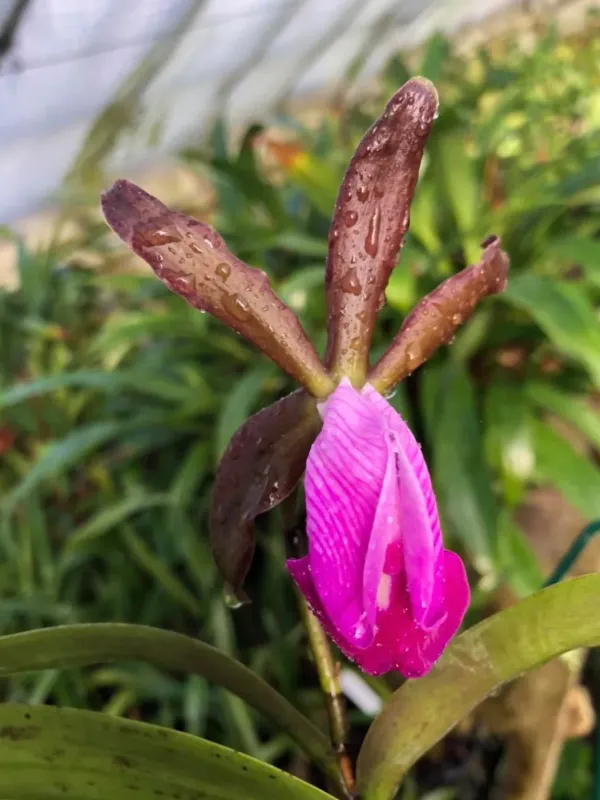
Description
Growing requirements
Cattleya dormaniana is a distinct epiphytic species within the Orchidaceae family, native to the tropical forests of Brazil. Known for its unique floral morphology, this plant requires specialized conditions to thrive in an artificial agricultural or greenhouse environment.
The optimal climate for this species involves a moderate-to-warm temperature range. Maintaining a daytime temperature between 20°C and 25°C, coupled with a nocturnal drop to 15°C–17°C, is essential to mimic the plant's natural high-altitude habitat.
Light requirements are significant for this species, as it requires bright, filtered light to produce vigorous pseudobulbs and regular flowering. Protection from direct, intense midday sun is necessary to prevent leaf chlorosis and heat stress.
The substrate must prioritize drainage and aeration to support the epiphytic nature of the roots. A mixture of pine bark, perlite, and charcoal is standard practice, ensuring that the root system can dry out adequately between watering sessions.
High relative humidity, ideally between 65% and 75%, is necessary for the plant's physiological processes. Growers often utilize automated misting systems and internal air circulation to prevent the stagnation of humid air around the foliage.
Main diseases and pests
The most significant pathological threats to Cattleya dormaniana are fungal infections such as Phytophthora and Pythium, which flourish in waterlogged substrates. These pathogens cause rapid decay of the rhizome and pseudobulbs.
Insect pests including scale insects, mealybugs, and spider mites frequently target the plant. These pests feed on sap, weakening the orchid and leaving it susceptible to secondary bacterial and viral infections.
Cultural errors, such as poor ventilation, drastically increase the risk of disease. Stagnant air allows spores of various molds to settle on plant tissues, leading to unsightly spotting and necrotic lesions that compromise the overall aesthetic and health.
Proper hygiene is essential; pruning tools must be sterilized between uses to avoid the mechanical transmission of viruses. Infected plants should be isolated immediately to protect the rest of the collection from potential outbreaks.
Effective pest management involves integrated control strategies, including periodic inspection, physical removal of pests, and the judicious use of selective insecticides when infestation levels exceed the threshold of natural control.