
Cattleya schilleriana
Cattleya schilleriana
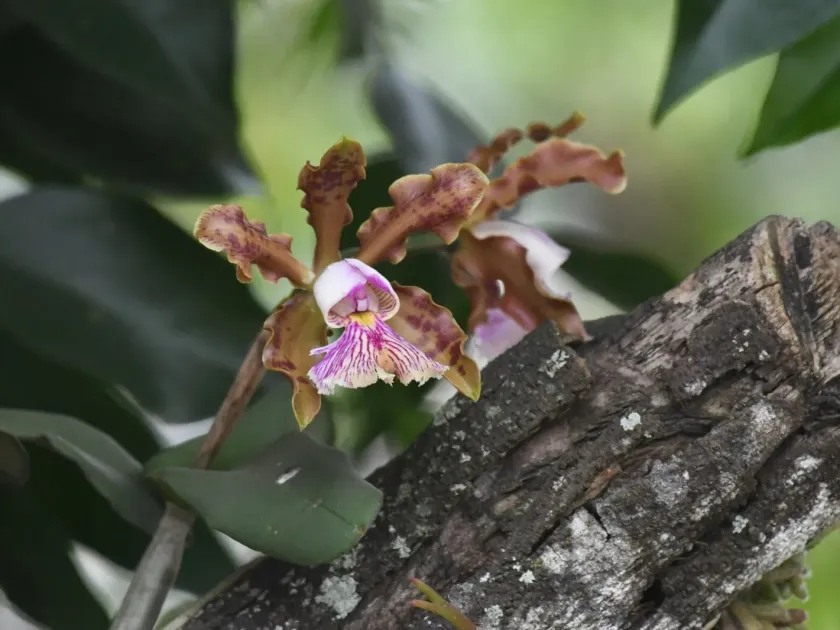
Description
Growing requirements
Cattleya schilleriana is a distinguished species of epiphytic orchid belonging to the Orchidaceae family. It originates from the tropical forests of Bahia, Brazil, where it primarily grows on tree trunks in riparian zones, benefiting from high atmospheric moisture.
This species is characterized by relatively short, robust pseudobulbs and leathery leaves that store water, an evolutionary adaptation to its environment. The inflorescence typically produces several large, waxy, and fragrant flowers with distinct spotted patterns.
To cultivate this plant successfully, one must replicate its natural thermal range. Daytime temperatures should stay between 22°C and 28°C, while a drop of several degrees at night is essential for the plant's metabolic cycles and flower induction.
The substrate must provide excellent aeration for the roots. Orchid growers often prefer using cork slabs or open-weave baskets filled with coarse pine bark. This mimics the natural growing conditions on tree bark where drainage is almost instantaneous.
Humidity and light are paramount for healthy growth. Ideally, humidity should remain between 60% and 80%, accompanied by high-intensity but filtered light. Direct midday sun should be avoided to prevent thermal burns on the foliage.
Main diseases and pests
The primary threats to Cattleya schilleriana are fungal and bacterial rots, usually triggered by stagnant water and insufficient airflow. Overwatering is the most common mistake that leads to root degradation and decline in plant vigor.
Spider mites are common pests that thrive in dry environments. They pierce the leaf tissue to suck sap, causing yellowing and a stippled appearance. Regular misting and proper humidity levels are the best preventative measures against these mites.
Scale insects often hide under the protective sheaths of the pseudobulbs, making them difficult to detect early on. If they appear, manual removal using alcohol-soaked swabs or systemic insecticides is necessary to prevent significant damage.
Mealybugs are another persistent pest that can infest the plant, congregating in the joints of leaves and flower spikes. Their presence is usually indicated by a white, cottony substance, which requires prompt treatment to stop the spread.
Maintaining a strictly controlled environment is the best defense. Growers should implement a preventative spray program with fungicides and keep the growing area clean, ensuring that no decaying organic debris accumulates around the base of the orchid.