
Cattleya tenebrosa
Cattleya tenebrosa
Description
Growing requirements
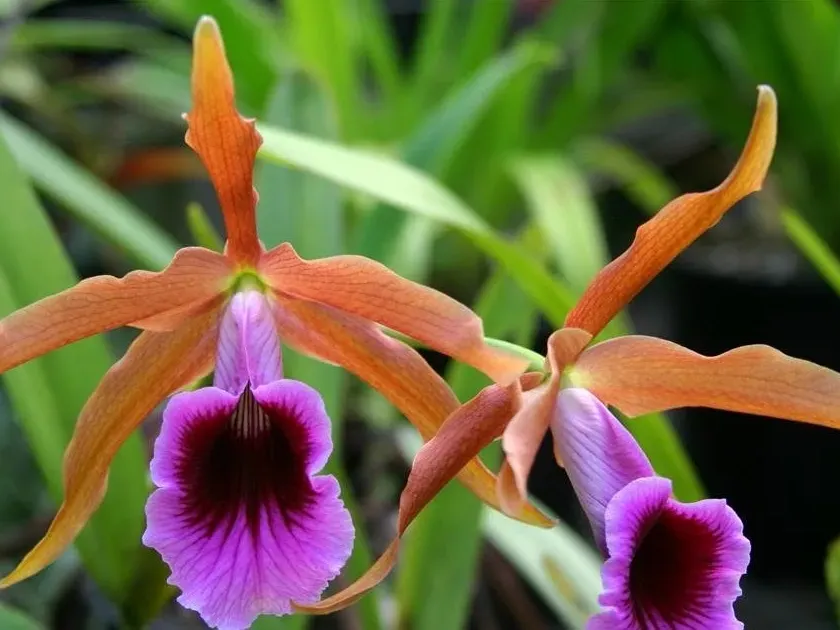
Cattleya tenebrosa is a distinctive species belonging to the Orchidaceae family, native to the tropical forests of Brazil. As an epiphyte, it grows on tree branches, requiring specialized conditions that mimic its natural habitat to thrive in cultivation.
The plant thrives in intermediate temperature ranges, requiring a distinct day-to-night temperature differential to trigger blooming. Ideally, daytime temperatures should be maintained between 22 and 26 degrees Celsius, with night temperatures cooling down to 15–17 degrees.
High relative humidity is essential for the healthy development of this orchid, ideally ranging between 60% and 75%. Growers should utilize humidifiers or humidity trays to maintain these levels, especially during warmer seasons or in heated indoor environments.
Adequate air circulation is as important as light and moisture. Without constant airflow, the plant becomes susceptible to fungal infections. It is recommended to keep the plant in a well-ventilated area to ensure the foliage and roots dry properly.
The potting medium must be coarse and porous, primarily consisting of fir bark, charcoal, and perlite. This ensures rapid drainage and prevents the roots from sitting in stagnant water, which is critical to avoid root rot in this sensitive orchid species.
Main diseases and pests
Common pests affecting Cattleya tenebrosa include scale insects, mealybugs, and spider mites. These pests thrive in dry conditions and can quickly compromise the health of the plant by draining sap from the pseudobulbs and leaves.
Root rot is the most frequent disease associated with improper cultivation, usually caused by overwatering or using a medium that is too fine. Monitoring the moisture content of the substrate is vital for long-term survival.
Botrytis or gray mold can affect the flowers if humidity is too high and air circulation is poor. This disease manifests as small dark spots on the petals, quickly degrading the aesthetic appeal of the blooms during the flowering stage.
Bacterial infections can be introduced through contaminated water or tools. Strict hygiene practices, such as sterilizing pruning shears between uses and avoiding water collection in the leaf axils, are necessary to maintain a healthy plant.
Regular inspection is the best defense against threats. If pests are detected, prompt treatment with appropriate horticultural oils or systemic insecticides is required, followed by a period of observation to ensure the population is completely eradicated.