
Cattleya mendelii
Cattleya mendelii
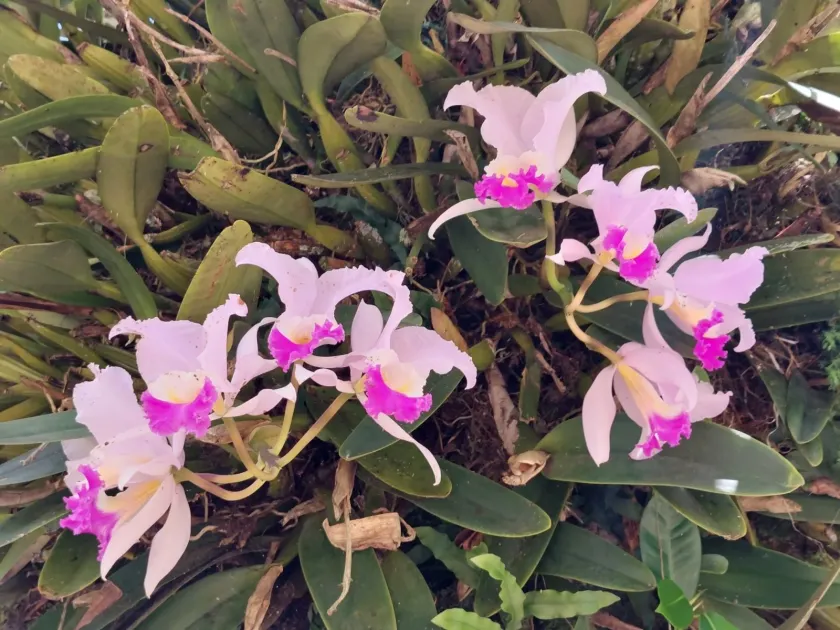
Description
Growing requirements
Cattleya mendelii is a distinguished epiphytic orchid species belonging to the Orchidaceae family. Native to the mountainous regions of Colombia, this plant thrives in humid environments where it grows on tree branches and rock surfaces, absorbing moisture from the ambient air.
Successful cultivation of this species requires strict adherence to temperature cycles. During the active growth season, it prefers daytime temperatures between 22°C and 26°C, while requiring a cooler drop to 15°C at night to initiate healthy pseudobulb development and flowering.
The choice of substrate is critical for this crop. A mixture consisting of fir bark, charcoal, and perlite or sphagnum moss is recommended to ensure rapid drainage and air circulation around the root system, preventing the root rot common in dense soil mediums.
Light intensity is another vital factor. Cattleya mendelii needs bright, filtered sunlight. Excessive exposure to direct midday sun can result in severe leaf scorching, whereas insufficient light leads to weak, elongated growth and a lack of flowers.
Watering management should follow the dry-out principle. The substrate must be allowed to approach near-dryness before the next watering session. This practice mimics the natural cycle of the orchid's habitat and is essential for maintaining root health.
Main diseases and pests
Mealybugs are one of the most frequent pests affecting this orchid. They hide in the leaf axils and around the pseudobulbs, draining plant sap and promoting the growth of sooty mold. Immediate removal with cotton swabs dipped in alcohol is effective for small infestations.
Root rot, primarily caused by fungal pathogens such as Pythium or Phytophthora, is a significant threat associated with overwatering or poor drainage. Infected roots must be removed using sterile tools, followed by fungicidal treatment.
Scale insects can firmly attach to the undersides of leaves and pseudobulbs. Their hard shells make them resistant to simple contact sprays, necessitating the use of systemic insecticides for complete eradication.
Bacterial soft rot can occur if water sits on the leaves or in the new growth for extended periods, especially in stagnant air. Ensuring good airflow is the most effective preventative measure against such diseases.
Nutrient toxicity or deficiency often manifests as distorted growth. It is highly recommended to use a balanced orchid fertilizer at a quarter of the recommended strength, ensuring that the plant is flushed with clean water periodically to avoid salt buildup.