
Cattleya warneri
Cattleya warneri
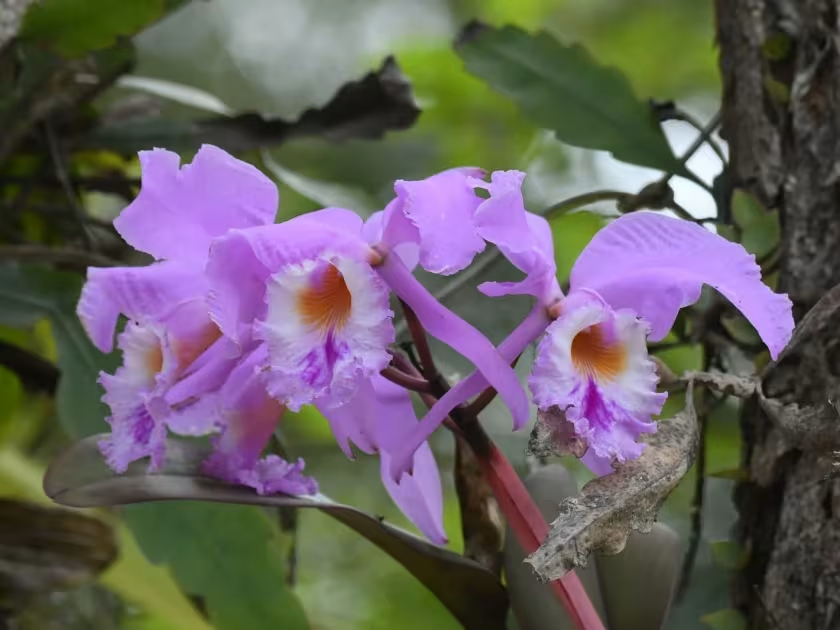
Description
Growing requirements
Cattleya warneri is a stunning epiphytic orchid belonging to the Orchidaceae family. Native to the tropical regions of Brazil, it thrives in high-humidity environments, growing attached to trees and rocky outcrops in the wild.
The plant requires specific climatic conditions to bloom successfully. It needs high atmospheric humidity, ideally between 60% and 80%, and a temperature gradient of approximately 24–26°C during the day and 16–18°C at night to mimic its natural habitat.
Proper light exposure is critical for the development of healthy pseudobulbs. Cattleya warneri prefers bright, indirect light; harsh afternoon sun can scorch the foliage, while insufficient light leads to stunted growth and a failure to flower.
Cultivation should occur in a coarse, well-draining medium, such as pine bark, charcoal, or perlite. Since it is an epiphyte, the root system requires rapid drainage and high air circulation to avoid rotting of the velamen-covered roots.
Watering intervals depend on the drying rate of the substrate, typically involving a thorough soak followed by a period of complete dryness. Fertilizer application should be focused during the vegetative growth phase to ensure strong, durable pseudobulbs.
Main diseases and pests
Common pests affecting Cattleya warneri include spider mites, scale insects, and mealybugs. These pests exploit the plant's nutrient reserves and can weaken the orchid significantly if not addressed promptly with horticultural oils or insecticides.
Fungal and bacterial infections are common risks, especially in environments with poor ventilation or stagnant water. To mitigate these risks, it is essential to maintain clean, airy growing conditions and ensure that the growing medium is replaced periodically.