
Cattleya lobata
Cattleya lobata
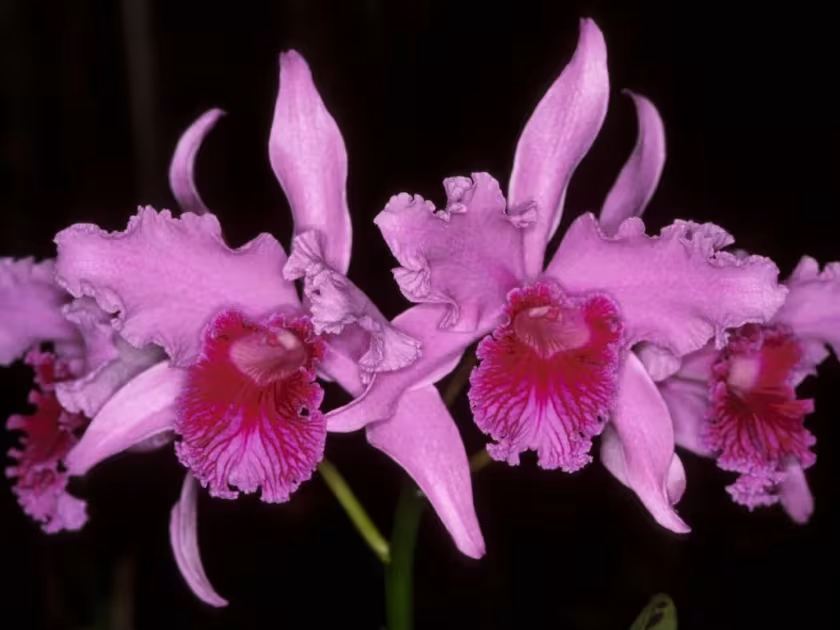
Description
Growing requirements
Cattleya lobata is a distinguished species within the Orchidaceae family, native to the coastal regions of Rio de Janeiro, Brazil. As an epiphyte, it grows on rock faces and trees, requiring specific environmental mimicry to thrive in cultivation.
The culture demands bright, diffused light to maintain healthy growth and induce flowering. Placing the plant in an area with adequate air movement is crucial to prevent fungal infections, especially when humidity levels are kept high for optimal development.
Temperature management is vital; this species thrives in moderate conditions. Day temperatures should range between 22°C and 26°C, while a drop to 16°C-18°C at night is necessary to trigger the physiological processes required for successful blooming.
Regarding soil and planting media, Cattleya lobata requires excellent drainage. A mix of fir bark, perlite, and charcoal provides the ideal balance between moisture retention and essential aeration for the sensitive root system.
Irrigation practices must be methodical. Water should be applied when the substrate is nearly dry, ensuring the roots do not remain soggy for extended periods, which can quickly lead to root decay in this species.
Main diseases and pests
The plant is susceptible to common orchid pests such as scale insects, mealybugs, and spider mites. These pests thrive in stagnant air and can cause significant damage to the leaves and new shoots if not addressed promptly.
Bacterial and fungal rots represent the primary pathological threats, usually triggered by improper watering schedules or high humidity combined with poor ventilation. Once rot reaches the pseudobulbs, the plant's recovery becomes significantly more difficult.
Proactive pest control includes using horticultural oils or systemic insecticides specifically formulated for orchids. Frequent inspections of the leaf axils are recommended to identify pest colonies before they spread across the collection.
To prevent disease, sanitation is paramount. All cutting tools must be sterilized between plants, and any signs of necrotic spots on the foliage should be treated with appropriate fungicides and monitored closely.
Maintaining a strong root system through balanced fertilization and proper light exposure builds the plant's natural resistance, making it less prone to environmental stress and subsequent opportunistic infections.