
Cattleya sincorana
Cattleya sincorana
Description
Growing requirements
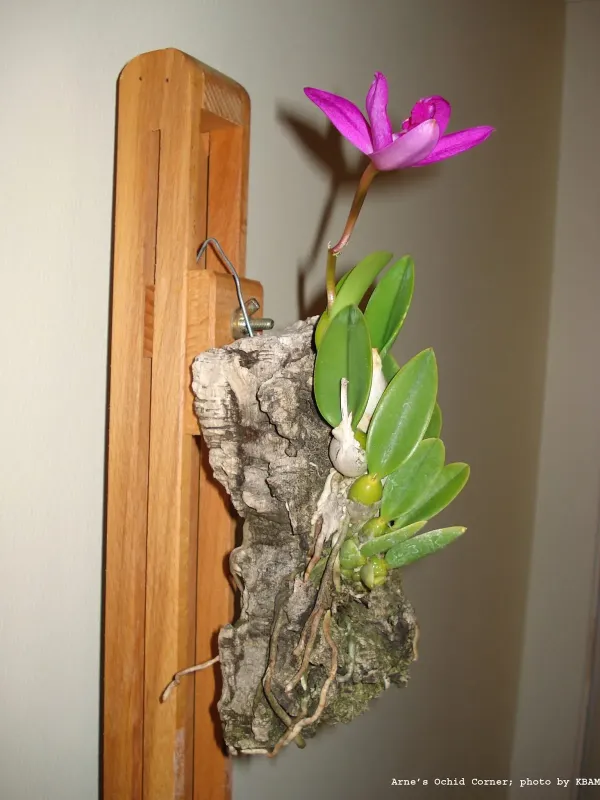
Cattleya sincorana is a miniature epiphytic or lithophytic orchid species belonging to the Orchidaceae family. It is native to the Sincorá Mountains in the state of Bahia, Brazil, where it thrives in rocky, high-altitude environments at elevations between 1,000 and 1,500 meters.
Botanically, the plant is characterized by its small, compact pseudobulbs that produce a single, thick, succulent leaf. Its diminutive size and large, vibrant flowers make it a highly sought-after species for specialized orchid collections and botanical research.
Light requirements are significant; this species prefers bright, filtered sunlight to encourage development. In its natural habitat, it is exposed to high light intensity, so cultivators must ensure sufficient illumination without scorching the foliage during peak summer hours.
The substrate must prioritize excellent drainage and aeration. Given its natural affinity for rocky substrates, mounting the orchid on cork bark or using a very open, airy mix of small-grade fir bark is essential for preventing root suffocation.
The watering schedule should mimic its native climate, which features distinct dry and wet seasons. During the growing phase, water should be applied consistently; however, during the winter dormancy period, the plant requires significantly drier conditions to maintain vigor.
Main diseases and pests
Spider mites are the most common pest, especially in indoor environments with low humidity. They can cause rapid yellowing and stippling of the leaves, requiring prompt intervention with miticides or increased air humidity levels to suppress their population.
Mealybugs are another persistent threat, often found hidden in the crevices of pseudobulbs. Integrated pest management using systemic insecticides or manual removal with alcohol-soaked swabs is recommended for effective control.
Fungal infections, such as root rot or spotting, are frequently linked to poor water quality or stagnant conditions. Maintaining a steady flow of fresh air around the plants is the most effective preventative measure against these pathogens.
Bacterial soft rot can occur if the plant stays wet for too long, particularly in the leaf axils. If detected, all affected tissue should be excised using a sterilized blade, and the plant should be kept in a dry area until the wound has completely calloused.
To ensure long-term health, cultivators should strictly monitor the environment for signs of stress, ensuring that temperature fluctuations do not coincide with damp conditions, as this combination is particularly detrimental to Cattleya sincorana.