
Cattleya forbesii
Cattleya forbesii
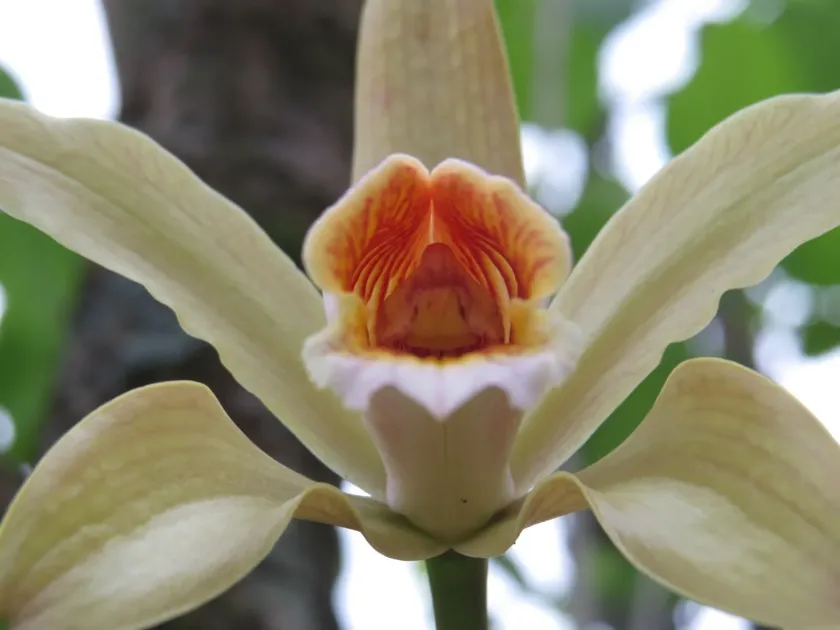
Description
Growing requirements
Cattleya forbesii is a distinct epiphytic orchid native to the coastal regions of Brazil. Belonging to the Orchidaceae family, it thrives in environments characterized by high atmospheric humidity and good air circulation, which are essential for its physiological health.
The culture requires a moderate temperature range, typically between 18°C and 25°C. A clear differential between day and night temperatures is mandatory to initiate blooming and ensure the proper maturation of the pseudobulbs during the growing season.
Light intensity is a critical requirement for Cattleya forbesii. It prefers bright, filtered sunlight, which allows the plant to produce enough energy for healthy pseudobulb formation. Exposure to direct midday sun should be avoided to prevent thermal leaf damage.
The substrate must prioritize drainage and aeration. A mix consisting of pine bark, charcoal, and perlite is recommended to keep the root system healthy. The orchid should be grown in pots that allow for efficient water drainage and airflow to the roots.
Watering practices should follow a cycle of saturation and complete drying. Overwatering is the most common cause of root loss. During the winter, watering frequency should be significantly reduced to allow the plant a period of rest and metabolic recovery.
Main diseases and pests
Scale insects and spider mites are the most frequent pests affecting this species. They tend to congregate on the undersides of leaves and pseudobulbs, draining sap and weakening the plant. Regular monitoring is key to preventing large-scale infestations.
Fungal infections, such as Black Rot, are significant threats to Cattleya forbesii if conditions become too stagnant or overly humid. Proper sanitization of tools and maintaining a well-ventilated growing space are the primary preventative measures.