
Odontocidium
x Odontocidium Hort.
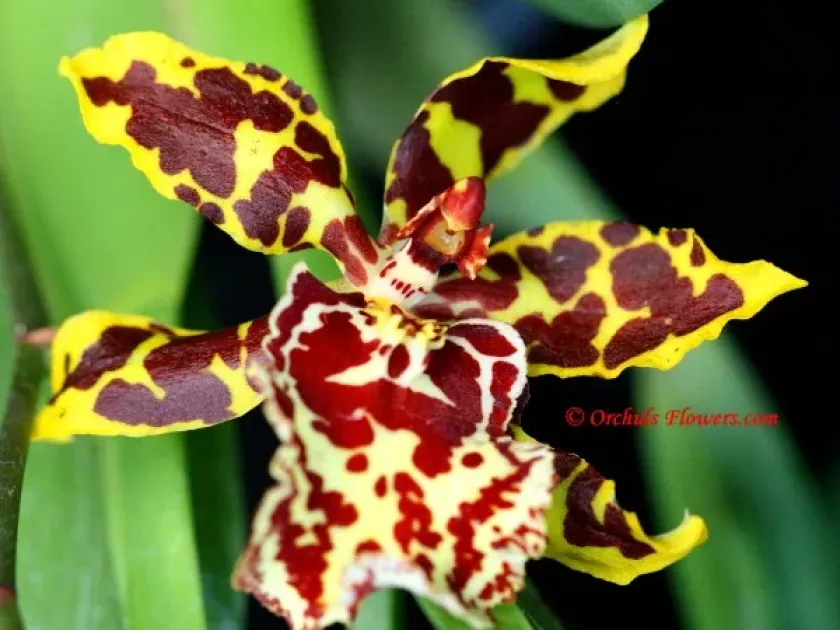
Description
Growing requirements
Odontocidium is a complex intergeneric orchid hybrid, resulting from the cross-breeding of Odontoglossum and Oncidium species. Belonging to the Orchidaceae family, this cultivar is widely appreciated for its long-lasting, vibrant, and uniquely patterned flower spikes.
These plants thrive in cool to intermediate climate conditions. Ideally, daytime temperatures should be maintained between 20°C and 24°C, with a significant drop at night to approximately 15°C to 17°C, which is essential to trigger the flowering cycle.
Proper light management is crucial; Odontocidium requires bright, indirect sunlight to prevent physiological stress. In agricultural or greenhouse settings, providing 50–70% shade during peak sunlight hours is recommended to maintain optimal foliage health.
The substrate must mimic the natural epiphytic environment, consisting primarily of fir bark, charcoal, and perlite. This composition ensures excellent drainage, preventing water from stagnating around the root zone, which is a frequent cause of plant decline.
Consistent moisture is required during the active growing season. Use high-quality water with a low mineral content and ensure humidity levels stay between 60% and 70%. Avoid letting the medium dry out completely for extended periods during active development.
Main diseases and pests
Common pests include spider mites and scale insects, which often thrive in environments with poor ventilation and low humidity. Early detection and treatment with insecticidal soaps or specialized acaricides are recommended to protect the floral yield.
Fungal infections, such as root rot or spotting on leaves, are usually associated with poor air circulation or overwatering. Maintaining a well-ventilated growing area and using sterilized tools for maintenance are critical prophylactic measures for the crop.