
Cattleya araguaiensis
Cattleya araguaiensis
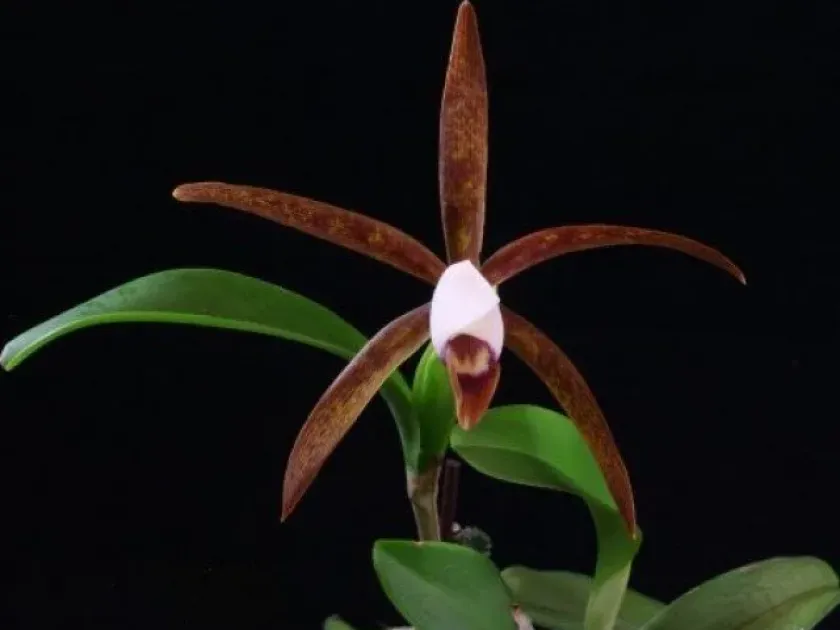
Description
Growing requirements
Cattleya araguaiensis is a fascinating orchid species belonging to the Orchidaceae family. Native to the Araguaia River basin in Brazil, this epiphytic plant has evolved to thrive in specialized tropical habitats, making it a prized specimen for collectors.
The cultural requirements for this plant focus heavily on high humidity and stable temperatures. It performs best in environments where the air is consistently moist, typically ranging from 20 to 28 degrees Celsius, mimicking the tropical climate of its native range.
Light intensity is another critical factor. As an epiphyte, it prefers bright but filtered light. Exposure to direct afternoon sunlight should be avoided, as it can cause chlorophyll degradation and severe leaf scorch in this sensitive species.
Soil management for Cattleya araguaiensis involves the use of specialized epiphytic mixes. Because the roots require significant oxygenation, growers typically use a coarse substrate consisting of pine bark, charcoal, and sometimes perlite to ensure rapid drainage and prevent root rot.
Watering practices must be disciplined. During the growing season, the plant appreciates regular moisture, but the substrate should be allowed to dry out between watering intervals. Reducing water during the resting phase is essential to trigger the maturation of pseudobulbs and ensure blooming.
Main diseases and pests
The primary threats to this species include fungal pathogens like Fusarium or Rhizoctonia, often caused by inadequate airflow or soggy roots. Ensuring the growing medium is well-drained and the ambient air is circulating is the best preventive strategy.
Pests that frequently infest Cattleya orchids include scale insects and mealybugs. These suck the plant's sap and weaken it, often introducing secondary infections. Mechanical removal or targeted horticultural oils are recommended to keep the plant in good health.