
Cattleya flavasulina
Cattleya flavasulina
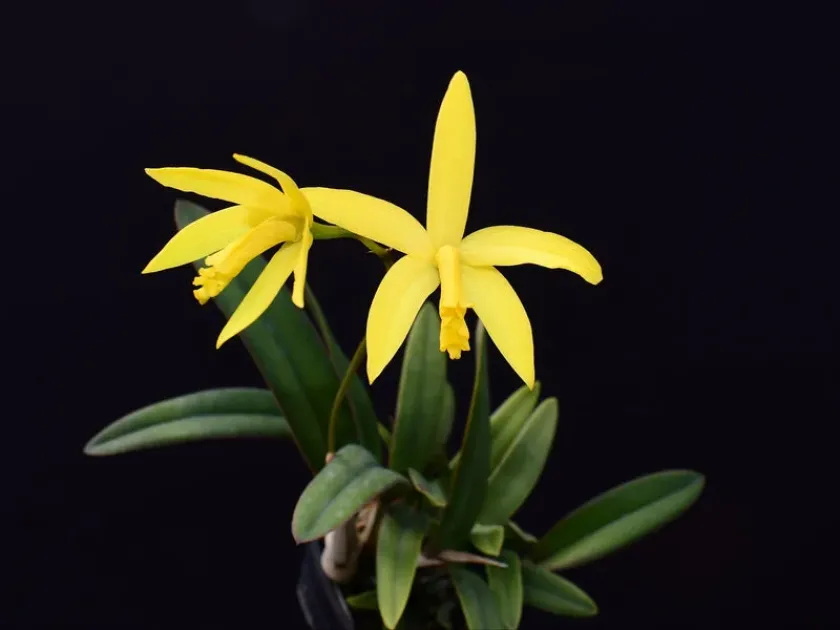
Description
Growing requirements
Cattleya flavasulina is a distinguished member of the Orchidaceae family, known for its vibrant aesthetic and specific environmental demands. As an epiphytic-origin hybrid, it thrives when its natural tropical habitat is replicated within a controlled greenhouse or home setting.
Light requirements are high but indirect; the plant requires bright, filtered light to maintain foliage vigor and stimulate blooming. Excessive exposure to direct midday sun is damaging, potentially causing severe chlorophyll degradation and scorched tissue on the leaves.
The potting medium must prioritize drainage and aeration, typically consisting of medium-grade pine bark, perlite, and charcoal. Because the roots are adapted for aerial gas exchange, the medium must never be allowed to compact or remain saturated for extended periods.
Temperature management requires a distinct diurnal fluctuation. Day temperatures should range from 20 to 25 degrees Celsius, while a drop to 15 degrees at night is essential for the plant's metabolic balance and the successful initiation of floral spikes.
Relative humidity levels are best maintained between 60 and 75 percent. Consistent air circulation is non-negotiable to prevent moisture stagnation, which is the primary cause of physiological decline in this species during the cooler seasons.
Main diseases and pests
Root rot, frequently caused by overwatering or degraded potting media, is the most lethal condition for Cattleya flavasulina. Monitoring the root system through transparent pots can assist in identifying the correct watering interval based on the color of the velamen.
Spider mites represent a major threat in indoor environments with low humidity. These pests feed on cell sap, leading to stunted growth and mottled foliage, and they require rapid intervention with specific acaricides to prevent extensive damage to the plant.
Mealybugs are common pests that aggregate in the tight junctions between pseudobulbs and leaves. Using a localized application of systemic insecticides or mechanical removal ensures the protection of the plant's vital growth points from sap-sucking activity.
Scale insects can establish themselves on the hard exterior of the pseudobulbs, posing a challenge due to their protective coverings. Integrated pest management using systemic treatments is the most effective approach to eliminate these stubborn parasites from the plant body.
Bacterial soft rot can occur if water remains stagnant in the crown of the orchid. Ensuring the plant dries off completely before nightfall is a primary prophylactic measure to prevent opportunistic bacterial pathogens from entering the plant through its stomata.