
Cattleya lueddemanniana
Cattleya lueddemanniana
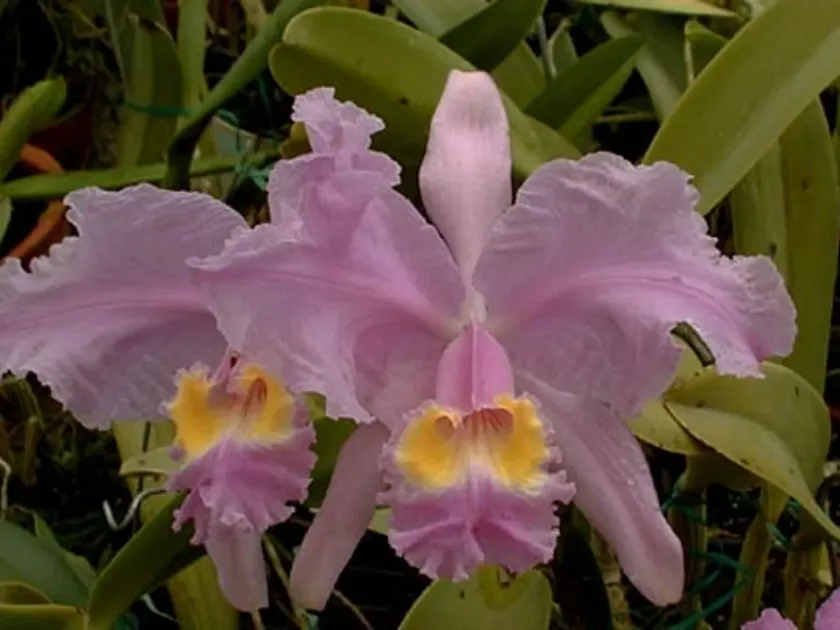
Description
Growing requirements
Cattleya lueddemanniana is a prized orchid species belonging to the Orchidaceae family, native to the coastal ranges of Venezuela. As an epiphyte, it naturally grows on tree branches, where it receives excellent air circulation and periodic moisture exposure.
Successful commercial and hobbyist cultivation requires providing bright, filtered light. This species thrives when given plenty of light to harden the pseudobulbs, which is a prerequisite for the development of its large, fragrant, and brightly colored flowers.
Temperature management is essential for this species. It prefers warm conditions during the day, typically between 25°C and 30°C, and requires a distinct cooling period at night, ideally dropping to 16–18°C, to mimic its natural montane habitat and trigger blooming.
The potting medium must be coarse and porous to ensure rapid drainage. A mix consisting of fir bark, charcoal, and perlite is standard, as the roots require a high oxygen concentration to remain healthy and prevent the buildup of anaerobic bacteria.
Hydration should be cyclical, matching the plant's natural wet and dry seasons. During the active growing phase, regular watering is necessary, but the roots must be allowed to dry out significantly between cycles to prevent rot and promote root health.
Main diseases and pests
Root rot caused by Rhizoctonia or Pythium fungi is the most common threat. These pathogens proliferate in stale, soggy media, quickly destroying the velamen layer of the roots and eventually leading to the rapid decline of the entire plant.
Scale insects are frequent pests that attach themselves to the pseudobulbs and leaves, feeding on plant sap. Early detection is critical, as heavy infestations can severely weaken the orchid and transmit secondary bacterial infections.
Aphids can target new, tender growth and emerging flower buds. Their feeding activity causes deformation of the leaves and blossoms, and they secrete honeydew which often promotes the growth of sooty mold, further hindering the plant's photosynthesis.
Bacterial soft rot is particularly dangerous in humid, stagnant conditions. It manifests as mushy, foul-smelling spots that spread rapidly; affected tissues must be excised with a sterile blade and the cut surfaces treated with fungicides or hydrogen peroxide.
Effective pest and disease management in professional orchid culture relies on preventive measures such as maintaining high airflow, using systemic pesticides only when necessary, and strictly quarantining new specimens to avoid introducing mites or viral vectors.