
Oncidopsis
x Oncidopsis J. M. H. Shaw
Description
Growing requirements
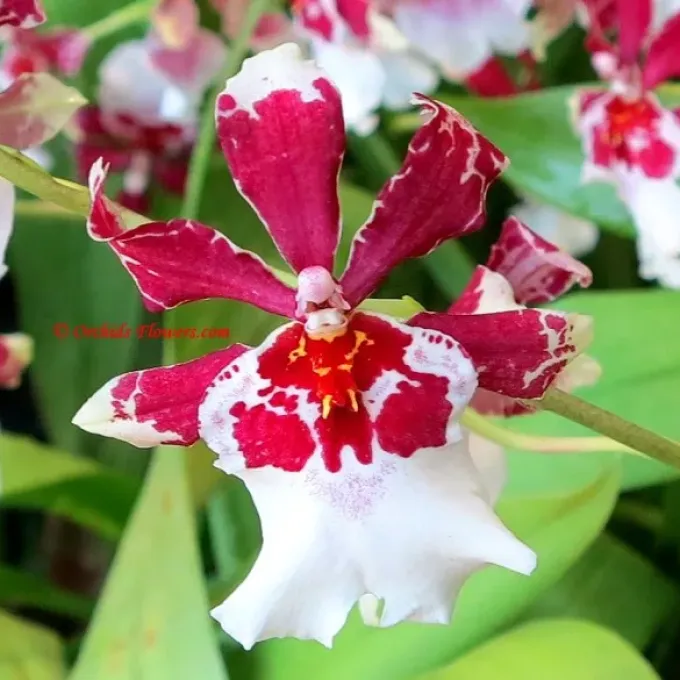
Oncidopsis (x Oncidopsis) is an intergeneric hybrid orchid belonging to the Orchidaceae family. It is produced by crossing members of the Oncidium and Miltoniopsis genera, resulting in plants that combine the vigor of Oncidium with the exotic flower characteristics of Miltoniopsis.
The culture thrives in cool to intermediate climate conditions. It is essential to maintain daytime temperatures between +20°C and +24°C, with a slight cooling at night. This thermoperiodism is crucial for the development of healthy pseudobulbs and successful flower spike initiation.
High relative humidity is necessary for the optimal growth of this orchid, ideally ranging between 60% and 75%. Growers often use pebble trays or humidifiers to maintain the required moisture level, especially during winter months when indoor heating dries the air.
The choice of substrate is vital for healthy root development. A well-draining mixture consisting of pine bark, perlite, and charcoal is recommended. This composition ensures that oxygen can reach the roots while maintaining enough moisture to prevent dehydration.
Oncidopsis requires filtered bright light. Exposure to direct intense sunlight will lead to leaf scorching, while insufficient light will cause weak growth and inhibit blooming. An east-facing window is usually the most suitable location for this type of orchid.
Main diseases and pests
Spider mites are common pests that thrive in low-humidity environments, damaging the leaf tissue. Regular misting and keeping the environment clean are effective preventive measures against these tiny arachnids.
Scale insects often colonize the underside of leaves and around the base of the bulbs. If left untreated, they can drain the plant's resources and lead to the development of sooty mold due to the honeydew they excrete.
Root rot, primarily caused by Pythium or Phytophthora, remains the most significant threat to Oncidopsis. This condition is triggered by overly compact or waterlogged potting media, which starves the roots of oxygen and allows pathogens to proliferate.
Effective management involves consistent monitoring and the application of appropriate pesticides or fungicides. Removing infected material and adjusting watering schedules are critical steps in restoring the plant's health after an infestation or disease outbreak.
Sterilizing cutting tools with alcohol before pruning helps prevent the transmission of viruses and bacteria. Proper hygiene is fundamental in the maintenance of any orchid collection to ensure long-term vitality.