
Cattleya jongheana
Cattleya jongheana
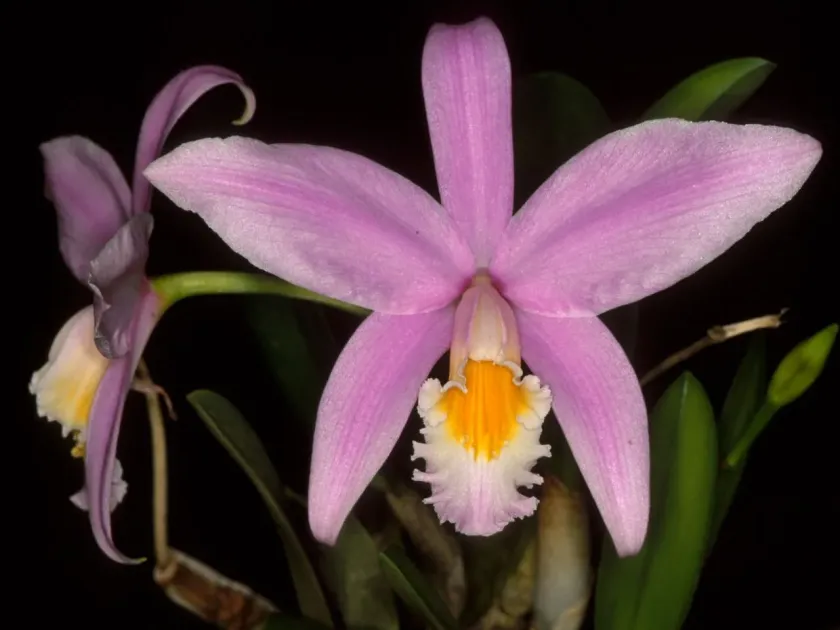
Description
Growing requirements
Cattleya jongheana is a rare epiphytic orchid species belonging to the Orchidaceae family. Native to the mountainous regions of Minas Gerais, Brazil, it grows at elevations between 1000 and 1500 meters, thriving in cool, misty environments.
Successful cultivation requires specific temperature regimes. The plant prefers daytime temperatures ranging from 18°C to 24°C, while nighttime temperatures must be significantly cooler, ideally between 12°C and 15°C, to mimic its natural habitat and trigger flowering.
Light intensity is a critical factor for this culture. It requires bright, indirect light throughout the year to maintain robust vegetative growth and produce its characteristic flowers. Direct sunlight should be filtered, especially during summer months.
The substrate must be highly breathable. A coarse mixture of pine bark, charcoal, and sphagnum moss is recommended to ensure rapid water drainage and excellent air circulation around the root system, preventing the roots from suffocating.
Watering should be adjusted based on the plant's growth cycle. During active growth, the substrate is kept moist but never soggy. During the dormant period, watering must be significantly reduced to allow the plant to rest and recover.
Main diseases and pests
Fungal infections pose the primary threat to Cattleya jongheana, especially root rot caused by poor drainage and stagnant air. Keeping the root zone well-ventilated is essential to mitigate these risks and maintain a healthy plant.
Pests such as scale insects and mealybugs are common adversaries. They thrive on the sap of the orchid, leading to stunted growth and secondary infections. Early detection through regular inspections is vital.
Spider mites can become a major issue during periods of low humidity. Maintaining an ambient humidity level of 60% to 70% and ensuring proper airflow are the most effective preventive measures against these infestations.
Systemic insecticides should be applied carefully if a pest outbreak is confirmed. Always perform a patch test on a small area of the plant to ensure the solution does not damage the leaves or sensitive pseudobulbs.
Sanitation is key to preventing the spread of diseases. Sterilizing tools between uses and isolating any symptomatic specimens are standard professional procedures that help protect the rest of the orchid collection from systemic threats.