
Cattleya liliputana
Cattleya liliputana
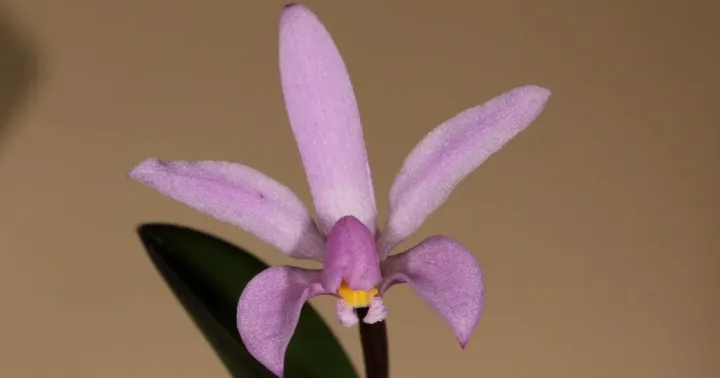
Description
Growing requirements
Cattleya liliputana is a miniature species of orchid belonging to the Orchidaceae family, native to the rocky, mountainous regions of Brazil. This plant is highly sought after by collectors due to its extremely small stature and vibrant, showy flowers which stand out against its tiny pseudobulbs.
The culture requires bright, indirect light to thrive and develop flowers. While it originates from high-light environments, direct harsh sunlight must be avoided to prevent thermal stress on the delicate foliage. A balanced exposure helps maintain the plant's compact growth habit.
Regarding the growing medium, this species strictly requires excellent drainage. Planting it on a cork bark mount or in a very well-ventilated wooden basket is preferred. The roots must be exposed to air and allowed to dry out relatively quickly after each watering cycle.
Temperature requirements involve a distinct diurnal variation. Cool nights are essential to trigger the plant’s biological cycle and induce blooming. Providing a stable environment with consistent airflow is the most critical factor in managing the health of this delicate orchid species.
Humidity levels should ideally be maintained between 60% and 70%. During the active growing season, regular misting or the use of an ultrasonic humidifier is beneficial, provided that the leaves are not left wet for extended periods, as this can lead to premature decay.
Main diseases and pests
The most significant threats to Cattleya liliputana are rot-related diseases triggered by poor drainage or excessive stagnant moisture. Root rot is particularly dangerous and can lead to the loss of the entire plant if the substrate remains saturated for too long.
Spider mites are a common pest problem, especially in indoor environments with low humidity. They thrive on the underside of the leaves, causing discoloration and eventual tissue death. Regular monitoring of the foliage is necessary to detect infestations early.
Scale insects are another potential issue that can infest the pseudobulbs, draining the plant's resources. These pests should be removed manually or treated with systemic insecticides if the infestation is severe and threatens the vitality of the orchid.
Bacterial spots, appearing as soft, translucent patches on the leaves, usually signal poor ventilation. If such symptoms occur, it is essential to increase air circulation and remove the affected leaf segments using sterile cutting tools to prevent systemic spread.
Fungal infections can also be prevented by avoiding water accumulation in the new growth or axils of the leaves. Maintaining a strictly sterile approach during any pruning or division processes significantly reduces the risk of long-term plant health complications.