
Cattleya mossiae
Cattleya mossiae
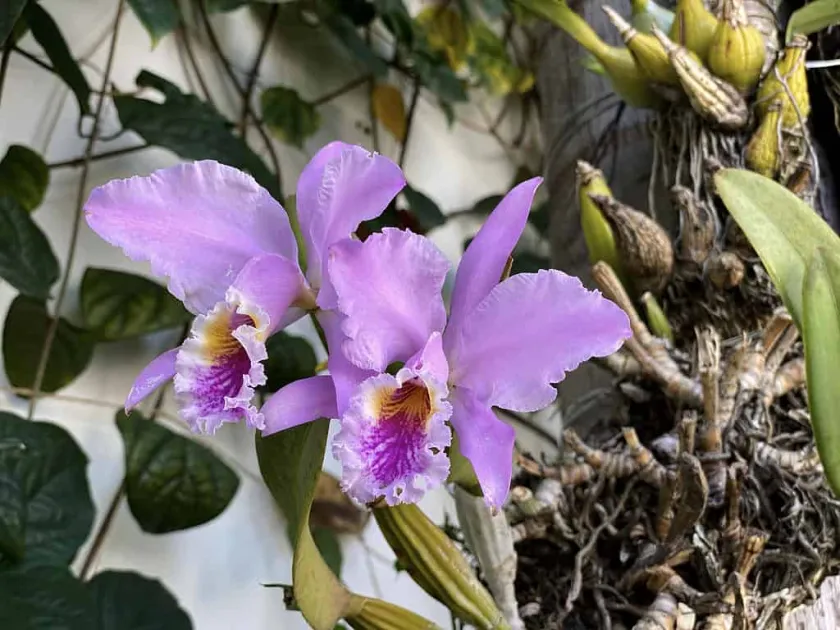
Description
Growing requirements
Cattleya mossiae is a highly prized epiphytic species within the Orchidaceae family, native to the coastal mountain ranges of Venezuela. It is a culturally significant plant known for its large, fragrant blossoms.
Successful cultivation requires a climate that mimics its natural habitat, with daytime temperatures between 22°C and 27°C and a significant drop at night to approximately 15°C to induce flowering.
Light intensity is critical; the plants thrive in bright, filtered light. During the peak summer months, shade cloth is essential to prevent leaf scorch while maintaining photosynthesis levels.
The substrate must prioritize drainage and aeration. A mix consisting of medium-grade pine bark, charcoal, and a small portion of sphagnum moss is the industry standard for maintaining root health.
Humidity levels should stay between 60% and 75%. Proper air circulation is just as important as humidity, as it prevents the accumulation of stagnant moisture around the pseudobulbs and leaves.
Main diseases and pests
The most common disease is fungal or bacterial rot caused by improper watering techniques. Once established, it spreads rapidly throughout the rhizome, necessitating excision of affected areas.
Scale insects are major pests that attach themselves to the pseudobulbs and leaves, feeding on plant sap. Regular inspection and systemic insecticide treatments are required for control.
Mealybugs are also prevalent and tend to cluster in protected areas like the sheaths of the pseudobulbs, making them difficult to eradicate without localized treatment.
Spider mites can be a problem in environments where humidity is chronically low, leading to mottled foliage and poor plant vigor throughout the growing season.
Virus infections, such as Cymbidium Mosaic Virus, are a significant threat in commercial orchid production. Strict sanitation of cutting tools is the primary method of transmission prevention.