
Cattleya coccinea
Cattleya coccinea
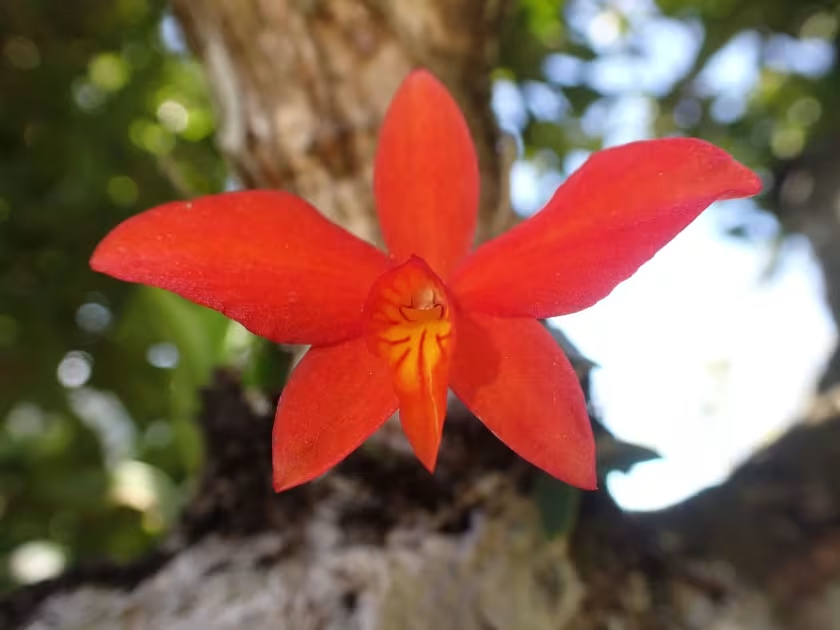
Description
Growing requirements
Cattleya coccinea is a miniature epiphytic orchid belonging to the Orchidaceae family. Native to the cool, high-altitude cloud forests of Brazil, this species is highly valued in horticulture for its vibrant, intense scarlet flowers and compact growth habit.
The cultivation of this species requires a cool temperature range, ideally between 15°C and 21°C. Consistent night-time temperature drops are essential for the physiological processes of the plant, including the initiation of new vegetative growth and subsequent flowering cycles.
A well-draining substrate is critical for the health of C. coccinea. Professionals typically use a mix of fine-grade pine bark, perlite, and dried moss to ensure that roots remain aerated while retaining sufficient moisture to prevent dehydration of the pseudobulbs.
High relative humidity, ideally between 70% and 85%, is mandatory for successful growth. Greenhouse environments must feature advanced climate control systems to maintain these levels, as the species is highly sensitive to fluctuations in moisture and ambient air quality.
Light requirements for this species are specific: it thrives under bright, filtered light. During the peak of summer, shading is necessary to prevent phototoxicity and leaf scorch, ensuring the plants retain a healthy, light-green foliage color throughout the growing season.
Main diseases and pests
Spider mites are the most persistent pest for this species, particularly in lower humidity environments. Regular inspection and the application of specialized miticides are necessary to keep populations under control and protect the delicate epidermal tissues of the leaves.
Root rot and crown rot represent the primary pathological risks, usually caused by overwatering or poor ventilation. Implementing a strict irrigation schedule based on the drying rate of the substrate is the most effective preventative measure for these fungal pathogens.
Bacterial soft rot can spread rapidly in crowded greenhouse conditions. Any affected tissue must be surgically removed with sterilized tools, followed by the application of antiseptic treatments to prevent further systemic infection and death of the plant.
Scale insects can occasionally infest the pseudobulbs, draining sap and weakening the plant. Manual removal or the use of systemic insecticides approved for orchids are effective strategies for managing these pests before they reach a critical threshold.
Water quality is a frequently overlooked factor in orchid pathology. High mineral content in irrigation water causes salt accumulation in the substrate, which damages root tips and leads to overall physiological decline, necessitating the use of reverse osmosis or rain water.