
Cattleya amethystoglossa
Cattleya amethystoglossa
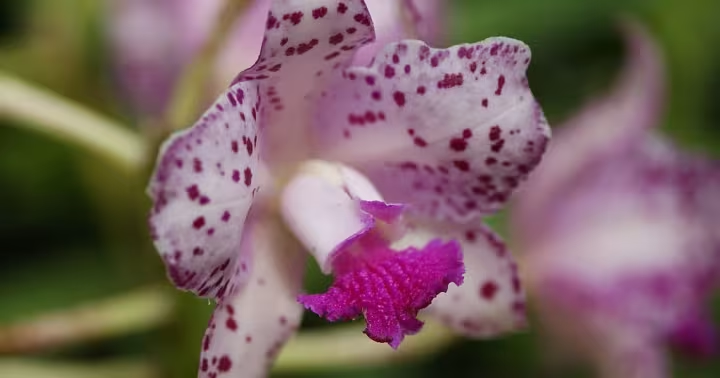
Description
Growing requirements
Cattleya amethystoglossa is a highly ornamental orchid species belonging to the Orchidaceae family, native to the tropical forests of Brazil. As an epiphyte, it naturally grows on tree branches, which dictates its need for high airflow around the root zone.
Optimal growth requires bright, filtered light. While this orchid thrives in high-light environments, direct, harsh sunlight must be avoided to prevent thermal damage to its leaves, which can lead to unsightly burns.
Temperature management is critical for this species. It prefers a temperate climate with a distinct day-night cycle, where temperatures drop slightly at night to encourage the metabolic processes required for successful flowering.
The substrate must be coarse and well-draining, typically consisting of conifer bark, charcoal, and perlite. This structure ensures that the roots are well-aerated while retaining just enough moisture to sustain the plant between waterings.
Maintaining a relative humidity of 60-70% is essential for healthy development. Regular irrigation with soft water, coupled with a balanced fertilizer schedule during the growing season, will ensure vigorous growth and vibrant blooms.
Main diseases and pests
The most significant threat to Cattleya amethystoglossa is root rot, primarily caused by waterlogged media or poor drainage. Excess moisture promotes the growth of opportunistic fungi that can quickly destroy the plant's health.
Pests such as scale insects and mealybugs are common adversaries. These sap-sucking insects often hide in the crevices of the pseudobulbs, requiring diligent inspection and immediate treatment with systemic insecticides or horticultural oils.
Spider mites can also be problematic in environments with low air humidity. These tiny pests cause yellowing and stippling of the leaves, which can be addressed by increasing humidity and using appropriate miticides.
Viral infections represent a severe, non-curable threat to orchids. Strict hygiene practices, such as using disinfected cutting tools and isolating new plants, are the primary methods for preventing the spread of such diseases.
Regular monitoring of leaf surfaces and root conditions is vital for early detection of issues. A proactive approach to plant health keeps the collection resilient against biological threats and environmental stressors.