
Cattleya gaskelliana
Cattleya gaskelliana
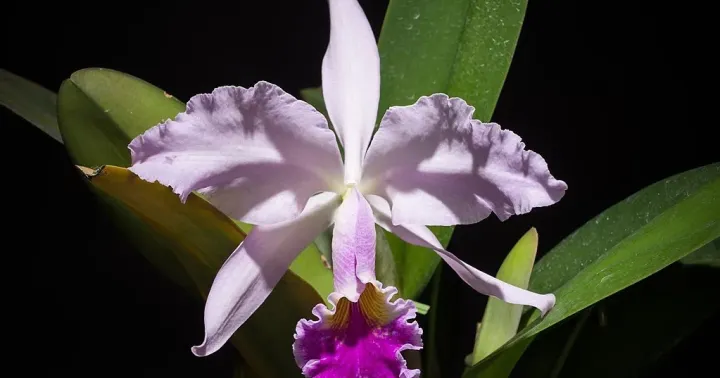
Description
Growing requirements
Cattleya gaskelliana is a magnificent epiphytic orchid species belonging to the Orchidaceae family, native to the mountainous regions of Venezuela. It is widely cultivated for its large, fragrant blooms, which are a staple in the international cut flower market.
For optimal growth, this culture requires bright, indirect light. Placing the plants in a well-ventilated greenhouse is essential, as the species needs significant air movement to mimic its natural habitat and prevent heat accumulation around the foliage.
The substrate should be coarse and well-draining, typically consisting of conifer bark, charcoal, and perlite. This mixture ensures that the root system has constant access to air, which is critical to preventing the suffocation of the epiphytic roots.
Watering management is vital: the plant should be allowed to dry out slightly between waterings. During the active growth period, regular fertilizing with a balanced, low-nitrogen orchid fertilizer helps produce robust pseudobulbs capable of flowering.
Temperature fluctuations are a key component of the plant's life cycle. Providing a distinct drop in night temperatures during the autumn and winter months is essential to trigger the development of flower spikes in the mature pseudobulbs.
Main diseases and pests
Scale insects and spider mites are the most common pests affecting Cattleya gaskelliana, particularly in dry greenhouse environments where humidity is not adequately controlled.
Bacterial soft rot represents a severe threat, often introduced through water standing in the leaf axils or using contaminated cutting tools during propagation or division.
Fungal leaf spot pathogens thrive in conditions with poor air circulation and excessive humidity levels, leading to aesthetic damage and decline in plant vigor.
Integrated pest management (IPM) is recommended, utilizing biological controls or targeted, orchid-safe acaricides and fungicides to maintain plant health without damaging delicate roots.
Strict sanitation protocols, such as boiling or using alcohol to disinfect shears, are mandatory to prevent the transmission of viruses between plants during handling.