
Cattleya lundii
Cattleya lundii
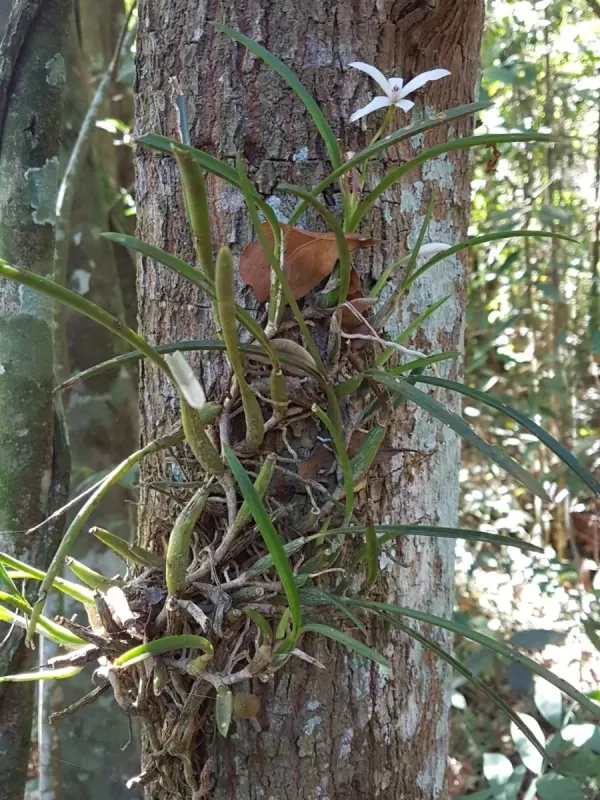
Description
Growing requirements
Cattleya lundii is a miniature epiphytic species belonging to the Orchidaceae family. In its natural habitat, it thrives in Brazil, colonizing tree branches, which dictates its requirement for excellent root system aeration.
For the successful cultivation of this orchid, it is necessary to provide a moderately warm climate. The plant prefers a temperature range of 18 to 25 degrees Celsius during the day, with a mandatory nighttime drop to stimulate metabolic processes.
A crucial requirement is high air humidity, which should be maintained between 60 and 80 percent. In conditions of low humidity, the plant's leaves quickly lose turgor, and the roots may dry out, negatively impacting the overall development of the crop.
The growing medium must be as loose and air-permeable as possible. It is optimal to use a mixture of pine bark, charcoal, and sphagnum moss to ensure rapid drainage of excess water after irrigation.
Lighting should be intense but diffused. Direct sunlight can cause thermal burns on delicate leaves, so it is recommended to use shading during peak sunlight hours or to place the pots on east- or west-facing windows.
Main diseases and pests
The primary threat to this crop is fungal infections caused by water stagnation in the substrate or poor ventilation. Root and stem rot can destroy the plant in a very short period if not addressed promptly.
Among the pests, spider mites and scale insects are the most common. They feed on the plant's cell sap, leading to leaf deformation and the appearance of unsightly spots that hinder the plant's vitality.
Mealybugs can also attack Cattleya lundii, hiding in leaf axils or around the pseudobulbs. Regular inspection of the plant allows for early detection of insects and the implementation of removal measures.
To prevent infestations, it is necessary to ventilate the room regularly and monitor the sanitary condition of the collection. The use of specialized fungicides and insecticides at the first sign of damage helps maintain the plant's aesthetic value.
It is important to monitor the quality of irrigation water to avoid salt accumulation in the substrate. Soil salinization prevents the normal uptake of nutrients, weakening the plant's immune system and making it susceptible to pathogens.