
Cattleya rupestris
Cattleya rupestris
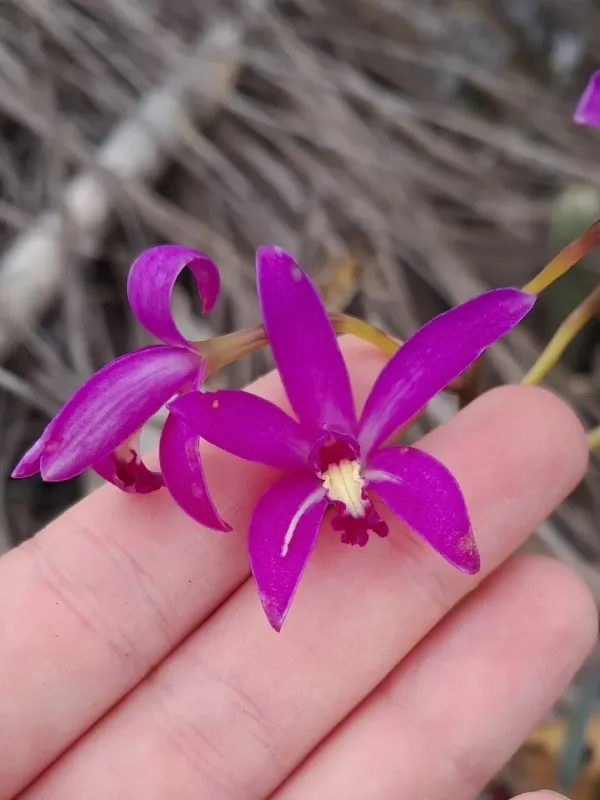
Description
Growing requirements
Cattleya rupestris is a distinct species within the Orchidaceae family, specifically recognized for its lithophytic nature. Native to the rocky outcrops of Brazil, this plant has evolved to thrive in environments where organic matter is limited and light intensity is high.
In a controlled cultivation setting, this species demands significant light exposure. It is best placed in positions where it can receive direct morning or late afternoon sun to promote robust growth and successfully develop its pseudobulbs during the vegetation season.
The temperature requirement involves a diurnal fluctuation. Maintaining a range between 20°C and 28°C during the day and ensuring a cooler night period is essential for triggering the plant's natural flowering cycle and general vigor.
The substrate must prioritize drainage and aeration over moisture retention. Experienced growers utilize a mix of volcanic rock, coarse pine bark, and perlite, ensuring the root system can dry out rapidly to prevent the onset of anaerobic conditions.
Watering frequency is strictly determined by the desiccation rate of the medium. The plant thrives when its roots go through a complete drying phase, which mimics the natural wet-dry cycles of its native rocky habitat in South America.
Main diseases and pests
The primary threats to the health of Cattleya rupestris are fungal infections that manifest as black spots or rot on pseudobulbs and leaves, typically caused by stagnant air and excess humidity.
Spider mites are the most common pest, thriving in dry indoor conditions. Infestations are often noticed only after the plant shows signs of loss of vigor, so preventative checks are vital for maintaining plant health.
Scale insects can be particularly difficult to eradicate due to their protective coverings. Manual removal with alcohol-soaked swabs is recommended for minor infestations to avoid widespread use of systemic insecticides.
Root rot, driven by improper substrate selection, is a major cause of failure. Once the root system is compromised, the plant struggles to recover, making early detection of browning roots a critical agronomic skill.
Viruses represent a severe risk in professional collections. Implementing strict sanitation protocols, such as disinfecting cutting tools between every individual plant, is the only effective way to prevent the spread of systemic viral pathogens.