
Cattleya walkeriana
Cattleya walkeriana
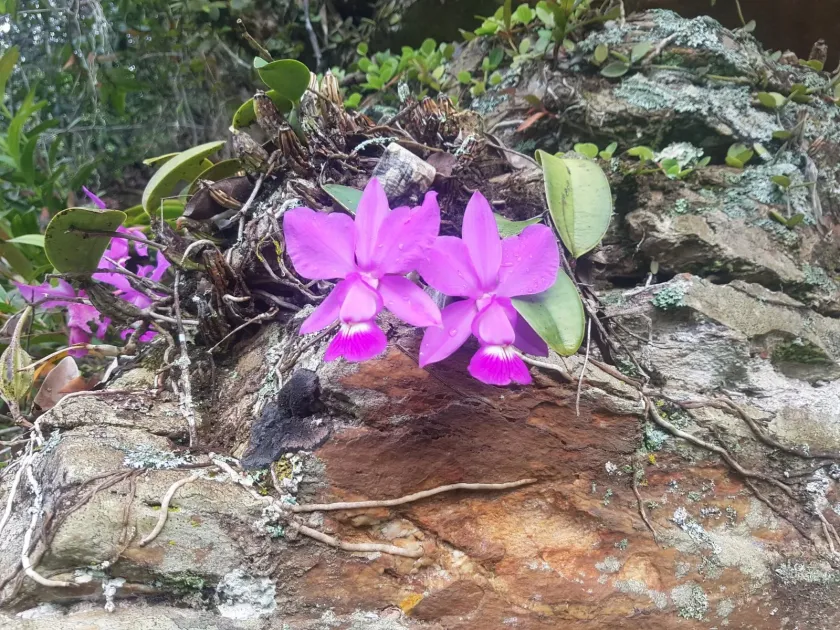
Description
Growing requirements
Cattleya walkeriana is a highly valued ornamental species belonging to the Orchidaceae family. Native to the central and eastern regions of Brazil, this orchid typically grows as an epiphyte on trees at elevations ranging from lowlands to moderate mountain altitudes.
The botanical structure of the plant is defined by short, compact pseudobulbs that produce thick, leathery leaves. Unlike many other Cattleya species, this plant develops its inflorescences directly from the rhizome, a trait that makes its cultivation distinct and interesting for orchid enthusiasts.
To successfully cultivate this species, it requires high levels of bright, indirect sunlight. Proper light management is crucial, as too little light results in weak, spindly growth, while direct sun can cause significant leaf damage, especially in the afternoon.
The substrate must prioritize drainage and aeration above all else. Orchid growers often prefer using coarse pine bark, charcoal, or mounting the plants on slabs of tree fern or cork, ensuring that the root system can dry out between watering intervals.
Economically, Cattleya walkeriana is significant within the specialty nursery trade. Its fragrant flowers and stable genetic traits make it a sought-after parent plant for hybridizing new, improved varieties that are easier for home growers to maintain.
Main diseases and pests
Root rot is the primary threat to the health of this species, often triggered by overwatering or a degraded substrate. Once the roots are compromised, the plant struggles to uptake nutrients, leading to a rapid decline in vigor.
Pests like scale insects and mealybugs are frequent intruders, hiding in the leaf axils or under the sheath. Manual removal combined with systemic insecticides is the standard approach to keeping these populations under control.
The spider mite is a common nuisance when humidity levels are kept too low, specifically during the winter heating season. Regular misting and the use of humidifiers are recommended to create an environment unfavorable to these pests.
Virus transmission poses a significant risk to orchid collections. Because there is no cure for viral infections, gardeners must practice strict hygiene, including the sterilization of cutting tools between every individual plant handled.
Fungal spot diseases can occur if air circulation is stagnant, particularly in humid or crowded conditions. Improving ventilation and reducing leaf wetness are essential preventative steps to maintain the health and aesthetic quality of the foliage.