
Cattleya reginae
Cattleya reginae
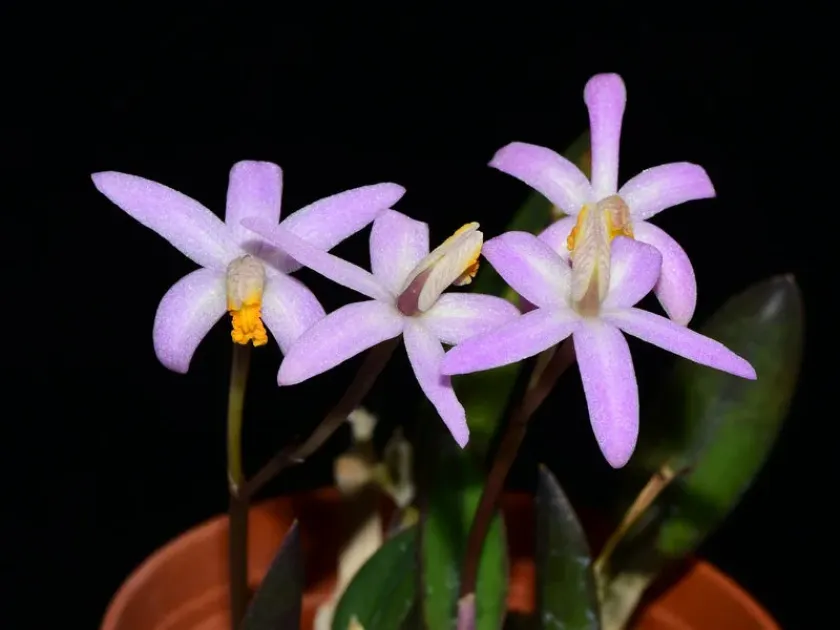
Description
Growing requirements
Cattleya reginae is a rare species of epiphytic orchid belonging to the Orchidaceae family, native to the tropical regions of Brazil. As an epiphyte, it grows on tree branches in nature, which dictates its specific physiological requirements for home and greenhouse cultivation.
The plant thrives in environments where day temperatures reach +20 to +25 degrees Celsius, followed by a significant drop at night. This thermoperiodicity is essential for the plant to transition into its flowering phase, as constant warmth often leads only to vegetative growth.
Substrate composition must mimic the natural environment of the canopy. High-quality bark of coniferous trees, mixed with charcoal and perlite, provides the necessary drainage and air circulation required to prevent root asphyxiation in this species.
Adequate lighting is crucial for Cattleya reginae to flourish. It prefers bright, filtered light that simulates the conditions found in the upper forest canopy. During winter months in temperate latitudes, supplementary LED lighting is strongly recommended.
In terms of economic utility, this species is highly valued in the professional horticultural sector and among private collectors. Its distinct morphology makes it a subject of interest for genetic research aimed at enhancing the traits of commercial orchid hybrids.
Main diseases and pests
Fungal infections, particularly root rot, pose the greatest threat to Cattleya reginae. These conditions are predominantly triggered by overwatering and poor drainage, which cause the roots to remain saturated for too long and lose their ability to function.
Insect pests, including scale insects and spider mites, are frequent adversaries. These pests weaken the plant by feeding on its sap, which eventually leads to stunted development and an increased susceptibility to secondary bacterial infections that can be fatal.
Effective pest management involves early detection and the use of targeted acaricides or systemic insecticides. Regular monitoring of the foliage and pseudobulbs allows growers to identify infestations at a stage where they are still easily controlled.
Maintaining proper air circulation is a critical preventative measure against many diseases. A gentle airflow in the growing area helps to dry excess moisture from the leaf axils and prevents the colonization of pathogenic bacteria and molds.
Hygiene during maintenance tasks is paramount for the long-term health of the collection. Always sterilize cutting tools after working on each individual plant to avoid the cross-contamination of potential pathogens or viral infections between healthy and vulnerable specimens.