
Cattleya guttata
Cattleya guttata
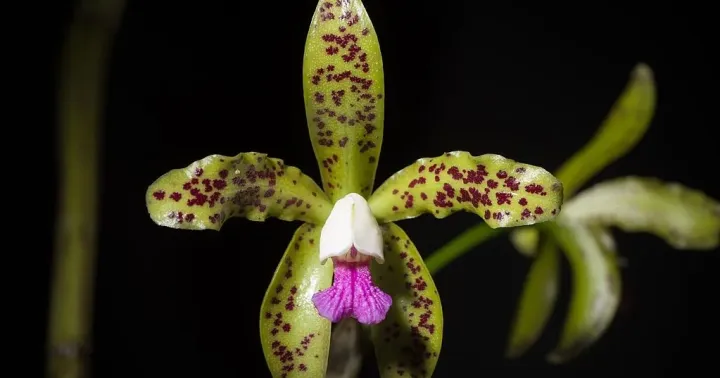
Description
Growing requirements
Cattleya guttata is a highly valued epiphytic orchid species belonging to the Orchidaceae family, originating from the humid coastal forests of Brazil. This species is recognized for its thick, robust pseudobulbs and large inflorescences featuring spotted, waxy flowers that can last for several weeks.
To ensure healthy growth, the plant requires bright, filtered light and high levels of ambient air circulation. It thrives in an environment with daytime temperatures between 22°C and 28°C, with a slight drop in temperature at night, which is essential for inducing successful flowering cycles.
The substrate for cultivation must provide exceptional drainage, typically consisting of large-grade conifer bark, perlite, and charcoal. Because the species is an epiphyte, its root system requires exposure to air, making breathable pots or wooden baskets the most suitable containers.
Irrigation should be thorough but infrequent, allowing the growing medium to dry out completely between waterings to prevent root rot. During the peak of the growing season, a balanced orchid fertilizer applied at a diluted concentration supports the development of new pseudobulbs.
Humidity management is vital, with an ideal range between 60% and 75%. Supplemental humidity can be maintained through automated misting systems or by placing pots on moisture trays containing gravel and water, ensuring the bottom of the pot never touches the liquid.
Main diseases and pests
The most common pests affecting Cattleya guttata are scale insects and spider mites, which thrive in stagnant, dry air. Regular inspection of the undersides of the leaves and the base of the pseudobulbs is critical to detect and mitigate initial infestations.
Fungal rots, including black rot (Phytophthora cactorum), can cause severe damage if water is allowed to accumulate in the leaf axils or if the plants are kept in cold, damp conditions. Ensuring that the foliage is dry before nighttime temperatures drop is a key preventive measure.
Bacterial soft rot can spread rapidly, manifesting as mushy, foul-smelling tissue on the leaves or pseudobulbs. If detected, immediate excision of the diseased tissue and application of a bactericide or hydrogen peroxide are necessary to prevent the loss of the plant.
Root rot, caused by poor substrate drainage or overwatering, often leads to the decline of the plant’s vigor. If the roots become soft and brown, repotting into fresh, clean medium is mandatory to restore the health of the root system.
Maintaining a clean growing area and sterilizing pruning tools with alcohol between uses are fundamental practices to prevent the transmission of viruses and other pathogens within an orchid collection.