
Cattleya percivaliana
Cattleya percivaliana
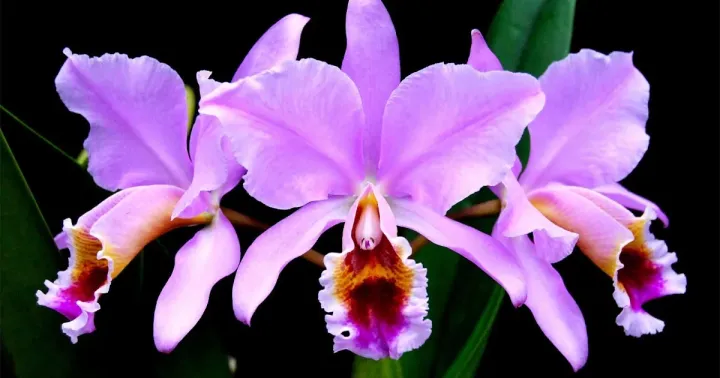
Description
Growing requirements
Cattleya percivaliana is an epiphytic orchid species belonging to the Orchidaceae family, native to the mountainous regions of Venezuela. It naturally thrives in rocky, high-altitude habitats where it benefits from high light intensity and significant diurnal temperature variations.
In a controlled growing environment, the plant requires a daytime temperature of approximately 22–25°C, dropping to 12–15°C at night. This thermal gradient is essential for triggering the development of inflorescences and ensuring a successful blooming cycle.
The substrate must prioritize drainage and aeration; a mixture of high-quality pine bark, charcoal, and perlite is recommended. Avoid fine-grained peat or dense potting mixes, as they tend to retain too much moisture, which can lead to rapid root decay.
Humidity levels should be maintained between 60% and 80%. Watering should be thorough but intermittent, allowing the roots to dry out completely between sessions. During the winter rest period, water intake must be significantly reduced to simulate the natural dry season.
Light is the most critical factor for the vigor of this species. It requires bright, filtered sunlight to produce strong pseudobulbs capable of supporting large flowers. If natural light is insufficient, full-spectrum LED supplemental lighting should be employed.
Main diseases and pests
Root rot, often caused by stagnant water or a decomposed substrate, remains the primary threat to the vitality of the plant. Maintaining an airy root zone and using fresh, high-quality potting media is the best preventative agronomic practice.
Pests such as spider mites and scale insects thrive in dry environments and can quickly weaken the plant. Regular inspection of the undersides of the leaves and the base of the pseudobulbs is necessary to detect infestations at an early stage.
Mealybugs are another common challenge, often hiding in the crevices of the leaf sheaths. Systemic insecticides, combined with physical removal using a cotton swab dipped in alcohol, are recommended for effective population control.
Bacterial spots, appearing as water-soaked lesions, can emerge under poor ventilation conditions. It is crucial to improve air circulation and immediately sanitize any affected areas with antifungal and antibacterial agents to prevent systemic spread.
Viruses are a major concern for commercial growers, as they are irreversible. Strict hygiene protocols, including the sterilization of cutting tools between every plant using flame or chemical disinfectants, are non-negotiable for crop health.
Harvesting
The harvesting of Cattleya percivaliana for floral use involves cutting the flower spikes once the blooms are fully developed. A sharp, sterile blade must be used to ensure a clean cut, minimizing tissue trauma and the risk of pathogen entry.
Cuts should be made near the base of the pseudobulb, taking great care not to damage the underlying dormant buds responsible for next year's growth. Proper placement of the cut promotes faster healing of the plant's vascular tissues.
Post-harvest care requires immediate placement of the cut stems into clean, cool water to maintain turgor pressure. Optimal storage temperature ranges from 8°C to 12°C, which significantly slows down senescence and extends the vase life of the flowers.
During transportation, the inflorescences must be packaged to prevent crushing. Using individual protective sleeves for each stem helps to maintain the delicate texture and appearance of the petals during transit to market.
Commercial producers often apply specialized potash-based fertilizers before the blooming stage to enhance the color saturation and shelf life of the flowers. This practice ensures high-quality output that meets premium floral standards.