
Cattleya lawrenceana
Cattleya lawrenceana
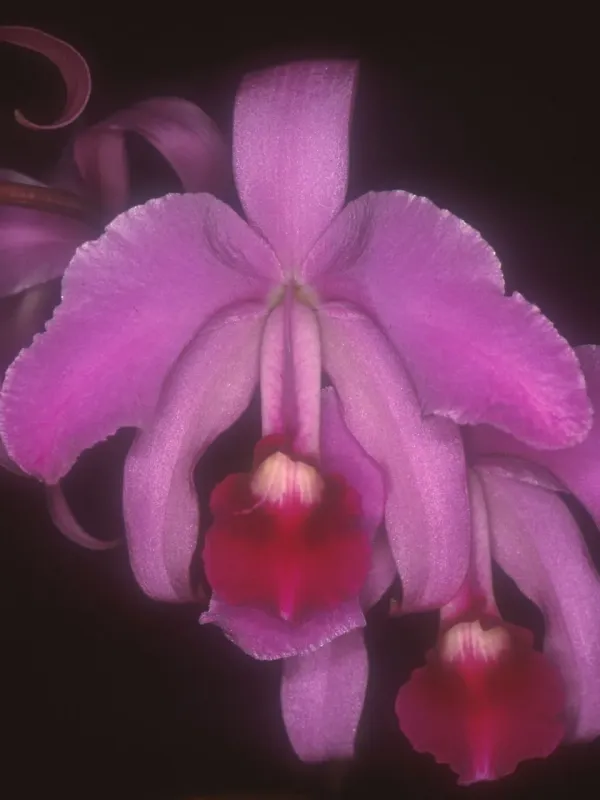
Description
Growing requirements
Cattleya lawrenceana is a highly valued species within the Orchidaceae family, native to the tropical regions of Venezuela, Brazil, and Guyana. It primarily grows as an epiphyte on trees, often thriving near riverbanks where humidity is consistently high.
The plant features distinct, club-shaped pseudobulbs that support a single, tough, and leathery leaf. These structures are vital for storing moisture, allowing the plant to survive in its native environment through periods of variable rainfall.
For successful cultivation, the plant requires bright, filtered light. Exposure to direct sun should be avoided to prevent leaf scorch, while too little light will lead to poor growth and a failure to bloom during the maturity phase.
Temperature management is crucial; the plant performs best in a range between 22 and 28 degrees Celsius during the day. Nighttime drops are beneficial but should not fall below 15 degrees to avoid cold-induced stress.
The growing medium must be highly porous, typically consisting of pine bark, charcoal, and perlite. This mixture facilitates rapid drainage and essential air circulation around the roots, which is critical for preventing root rot.
Main diseases and pests
Root and crown rot are the primary pathological threats, usually caused by overwatering or poor drainage. These conditions favor fungal pathogens that can destroy the root system if not addressed quickly.
Common insect pests include spider mites and scale insects. Spider mites tend to infest the leaves when air humidity is too low, while scale insects attach themselves to the stems and leaf undersides, drawing sap.
Mealybugs are another recurring issue in indoor collections. These pests congregate in leaf axils and crevices, requiring manual removal followed by the application of systemic pesticides to ensure complete elimination.
Preventive hygiene is the best defense against viral and bacterial outbreaks. Always sterilize cutting tools before pruning or dividing the plant to prevent the cross-contamination of tissues.
Consistent monitoring and proper air ventilation are essential for plant health. By maintaining balanced environmental conditions, growers can significantly mitigate the risk of common orchid diseases and pest infestations.