
Cattleya tigrina
Cattleya tigrina
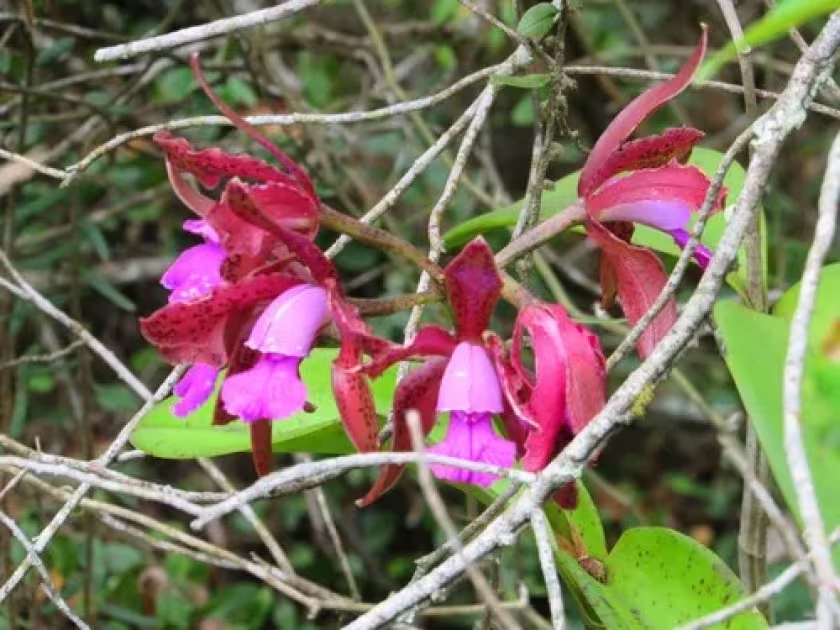
Description
Growing requirements
Cattleya tigrina is a distinguished member of the Orchidaceae family, natively found in the tropical regions of Brazil. As an epiphytic species, it is highly valued by growers for its striking, leopard-like spotted petals.
Proper lighting is the cornerstone of its cultivation. It requires bright, filtered light to thrive; excessive direct sun will cause foliage to yellow and burn, while insufficient light prevents blooming.
The ideal temperature range spans from +20°C to +28°C during the day, with a mandatory drop at night to about +16°C. These thermal fluctuations are vital for metabolic processes and flower bud formation.
The root system requires excellent drainage and oxygen access. Use a coarse potting mix composed of bark chips, perlite, and a small amount of charcoal, which helps keep the substrate fresh and aerated.
Watering frequency depends on the ambient humidity and growth stage. During active growth, the medium should remain moist but never waterlogged; during dormancy, watering should be significantly reduced.
Main diseases and pests
Scale insects represent a major threat to this species. These pests attach to stems and leaves, extracting sap and weakening the plant. Physical removal followed by insecticidal soap application is recommended.
Root rot, caused by stagnant water, is the most common physiological disorder. Ensuring that the pot has sufficient drainage holes and that the plant is not sitting in excess water is the primary defense.
Botrytis, a fungal infection, can manifest as small brown spots on flowers during periods of high humidity and poor air circulation. Improving ventilation is the most effective preventative measure.
Spider mites can rapidly proliferate in dry indoor environments. Regular misting and maintaining appropriate humidity levels can help deter these microscopic pests from colonizing the orchid.
Routine inspection of the plant's collar and pseudobulbs is essential. Early detection of symptoms allows for targeted treatment and prevents the spread of infection to other specimen plants.