
Cattleya granulosa
Cattleya granulosa
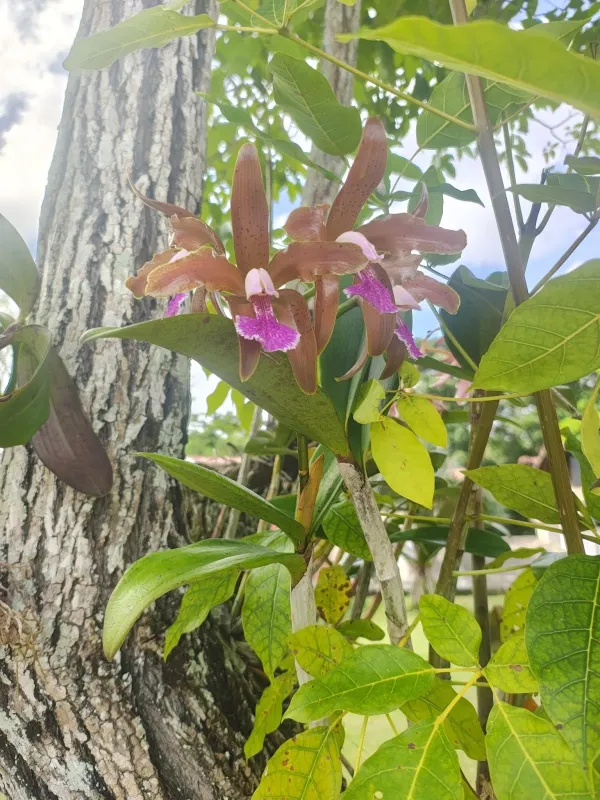
Description
Growing requirements
Cattleya granulosa is an epiphytic orchid species belonging to the Orchidaceae family. Native to the coastal regions of Brazil, this plant has adapted to humid tropical environments and typically grows on trees, deriving nutrients from atmospheric moisture and organic debris.
The cultivation of this species requires bright, filtered sunlight to ensure healthy pseudobulb development. High-intensity light is essential for the flowering process, though direct sunlight should be avoided to prevent thermal damage to the leaves.
The substrate must provide optimal aeration and drainage for the orchid's specialized roots. A mix consisting of coarse pine bark, charcoal, and perlite is commonly used to ensure that the root system does not stay waterlogged for extended periods.
Temperature requirements involve maintaining a warm daytime range, ideally between 22 and 28 degrees Celsius, accompanied by a nocturnal drop in temperature. This thermal shift is a physiological trigger for successful blooming in mature specimens.
Watering frequency depends on the evaporation rate within the growing environment. It is crucial to allow the substrate to dry slightly between waterings, ensuring that high humidity levels are maintained without creating stagnant water zones.
Main diseases and pests
Mealybugs and spider mites represent the most significant pest threats to Cattleya granulosa. Regular inspection of the leaf axils and the undersides of the foliage is necessary to detect these pests before they reach infestation levels.
Root rot, often caused by pathogenic fungi such as Phytophthora or Pythium, is a major threat in poorly ventilated greenhouses. Ensuring a constant flow of air around the plant helps to reduce the proliferation of these harmful microorganisms.
Bacterial soft rot can occur if water remains trapped in the pseudobulb sheaths or the growth crown. If detected early, the affected tissues should be excised with sterile tools, and the area treated with an appropriate bactericide.
Viral infections, which cause leaf chlorosis and deformed flowers, are irreversible. Infected plants must be isolated immediately from the rest of the collection to prevent the spread of the virus through mechanical handling or insect vectors.
Preventive maintenance, including the use of balanced mineral fertilizers and appropriate sanitation protocols, is the best strategy for managing health risks. Consistent monitoring and timely intervention ensure the longevity and productivity of the crop.