
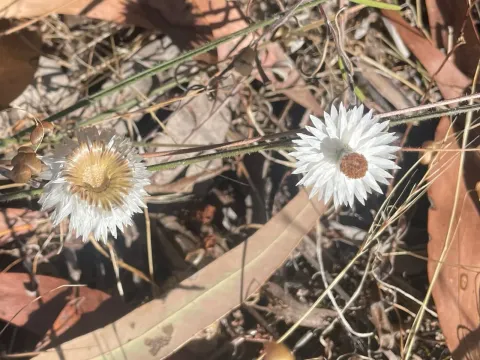
Helichrysum
Helichrysum
Sowing Helichrysum is typically performed in early spring when the soil temperature consistently reaches 10–12°C. Since the seeds are extremely small, they are surface-sown and pressed gently into the soil rather than buried deeply.
What the section contains
 Bristly everlasting
Helichrysum setosum
Bristly everlasting
Helichrysum setosum
 Coral everlasting
Helichrysum coralloides
Coral everlasting
Helichrysum coralloides
 Golden everlasting
Helichrysum aureum
Golden everlasting
Helichrysum aureum
 Helichrysum albobrunneum
Helichrysum albobrunneum
Helichrysum albobrunneum
 Helichrysum anomalum
Helichrysum anomalum
Helichrysum anomalum
 Helichrysum argyrosphaerum
Helichrysum argyrosphaerum
Helichrysum argyrosphaerum
 Helichrysum arnicoides
Helichrysum athrixiifolium
Helichrysum athrixiifolium
Helichrysum arnicoides
Helichrysum arnicoides
Helichrysum athrixiifolium
Helichrysum athrixiifolium
 Helichrysum aureonitens
Helichrysum aureonitens
Helichrysum aureonitens
 Helichrysum cerastioides
Helichrysum cerastioides
Helichrysum cerastioides
 Helichrysum crassifolium
Helichrysum crassifolium
Helichrysum crassifolium
 Helichrysum crispum
Helichrysum crispum
Helichrysum crispum
 Helichrysum cylindriflorum
Helichrysum cylindriflorum
Helichrysum cylindriflorum
 Helichrysum cymosum
Helichrysum cymosum
Helichrysum cymosum
 Helichrysum filicaule
Helichrysum filicaule
Helichrysum filicaule
 Helichrysum glomeratum
Helichrysum glomeratum
Helichrysum glomeratum
 Helichrysum graveolens
Helichrysum graveolens
Helichrysum graveolens
 Helichrysum heliotropifolium
Helichrysum heliotropifolium
Helichrysum heliotropifolium
 Helichrysum hybrids
Helichrysum hybrids
Helichrysum hybrids
 Helichrysum indicum
Helichrysum indicum
Helichrysum indicum
 Helichrysum kirkii
Helichrysum kirkii
Helichrysum kirkii
 Helichrysum kraussii
Helichrysum kraussii
Helichrysum kraussii
 Helichrysum litoreum
Helichrysum litoreum
Helichrysum litoreum
 Helichrysum melaleucum
Helichrysum melaleucum
Helichrysum melaleucum
 Helichrysum mixtum
Helichrysum mixtum
Helichrysum mixtum
 Helichrysum monizii
Helichrysum monizii
Helichrysum monizii
 Helichrysum odoratissimum
Helichrysum odoratissimum
Helichrysum odoratissimum
 Helichrysum orientale
Helichrysum orientale
Helichrysum orientale
 Helichrysum oxyphyllum
Helichrysum oxyphyllum
Helichrysum oxyphyllum
 Helichrysum pandurifolium
Helichrysum pandurifolium
Helichrysum pandurifolium
 Helichrysum pendulum
Helichrysum pendulum
Helichrysum pendulum
 Helichrysum plicatum
Helichrysum plicatum
Helichrysum plicatum
 Helichrysum pomelianum
Helichrysum pomelianum
Helichrysum pomelianum
 Helichrysum rosum
Helichrysum rosum
Helichrysum rosum
 Helichrysum rugulosum
Helichrysum rugulosum
Helichrysum rugulosum
 Helichrysum sanguineum
Helichrysum sanguineum
Helichrysum sanguineum
 Helichrysum selago
Helichrysum selago
Helichrysum selago
 Helichrysum subulifolium
Helichrysum subulifolium
Helichrysum subulifolium
 Helichrysum tenax
Helichrysum tenax
Helichrysum tenax
 Helichrysum thianschanicum
Helichrysum thianschanicum
Helichrysum thianschanicum
 Helichrysum valentinum
Helichrysum valentinum
Helichrysum valentinum
 Lamarck's everlasting
Helichrysum lamarckii
Lamarck's everlasting
Helichrysum lamarckii
 Lavender-leaved everlasting
Helichrysum stoechas
Lavender-leaved everlasting
Helichrysum stoechas
 Milford's Everlasting
Helichrysum milfordiae
Milford's Everlasting
Helichrysum milfordiae
 Nuratau Immortelle
Helichrysum obconicum
Nuratau Immortelle
Helichrysum obconicum
 Pallas's everlasting
Helichrysum pallasii
Pallas's everlasting
Helichrysum pallasii
 Sibthorp's everlasting
Helichrysum sibthorpii
Sibthorp's everlasting
Helichrysum sibthorpii
 Stinking everlasting
Helichrysum foetidum
Stinking everlasting
Helichrysum foetidum
Helichrysum
Both direct field sowing and greenhouse seedling production are utilized. Starting with seedlings is often preferred for high-value varieties to ensure consistent plant density and minimize seed waste.
The field must be free of perennial weeds, as the slow initial growth of Helichrysum makes it highly susceptible to competition for resources during the establishment phase.
Standard field spacing involves rows approximately 45–60 cm apart, which allows for efficient inter-row cultivation and mechanical weeding as the plants mature.
Germination typically occurs within 15 to 20 days. Maintaining optimal soil moisture during this period is critical to prevent the surface from crusting, which would hinder emergence.
Helichrysum belongs to the Asteraceae family and is known for its high drought tolerance and preference for full sun. It thrives in light, sandy, or loamy soils that offer excellent drainage, as waterlogging is detrimental to its root system.
While the crop is not particularly demanding regarding soil fertility, supplemental fertilization can enhance the quantity and quality of flower production on poorer soils.
Routine cultivation between rows is essential for weed control and improving soil aeration, which promotes healthier root development and reduces the incidence of fungal pathogens.
Irrigation should be minimal and focused only on periods of extreme drought. Excessive water consumption will decrease the concentration of essential active compounds in the flower heads.
The plant is well-adapted to various climates and shows good resistance to temperature fluctuations, making it a reliable crop for regions characterized by dry, sunny summers.
Yield in Helichrysum cultivation depends on the age of the plantation and the implementation of proper agronomic practices. The highest productivity is observed from the second to the fourth year of the crop's life cycle.
In commercial settings, yields typically range from 300 to 600 kilograms of dried flower heads per hectare. Quality is determined by the precision of the harvest timing.
Regenerating the plantation every 4–5 years is recommended to maintain optimal yield levels, as aging plants tend to produce fewer blossoms and become more prone to environmental stress.
The crop serves two main economic purposes: as a raw material for the pharmaceutical industry, particularly for its choleretic properties, and as a popular dried flower in the global florist trade.
Strategic harvesting management allows growers to maximize the content of essential oils and flavonoids, ensuring that the raw product meets stringent quality standards.
Fungal diseases, including powdery mildew and various leaf spots, are the primary threats to the crop, especially in conditions of poor air circulation or high atmospheric humidity.
Root rot is a significant concern caused by improper drainage or excessive irrigation. Once infected, plants are often difficult to treat and should be removed from the field to prevent spread.
Pests such as aphids and spider mites can cause considerable damage by feeding on young leaves and stems, leading to stunted growth and reduced flower quality.
Preventative measures, such as maintaining a strict crop rotation and effective weed management, are the best defense against both pests and pathogens in Helichrysum fields.
Chemical control should be avoided or restricted to the absolute minimum, particularly because the botanical material is often used for human consumption or pharmaceutical purposes.
The harvest should be carried out when the flower heads are fully formed but before the tubular florets in the center begin to open, as this ensures maximum durability for floral use.
Flowers are cut with a short stem section, roughly 1–2 cm in length. Freshly harvested material must be moved quickly to the drying facility to prevent heating and browning.
Proper drying is conducted in shaded, well-ventilated areas or in temperature-controlled chambers, ensuring the heat does not exceed 45°C to preserve active chemical constituents.
The drying process must be rapid to maintain the vibrant color of the flowers, which is a critical quality factor for both medicinal and decorative purposes.
Storage of the finished product requires cool, dry conditions with protection from direct sunlight, utilizing paper-based packaging to allow the product to remain stable for extended periods.