
Helichrysum graveolens
Helichrysum graveolens
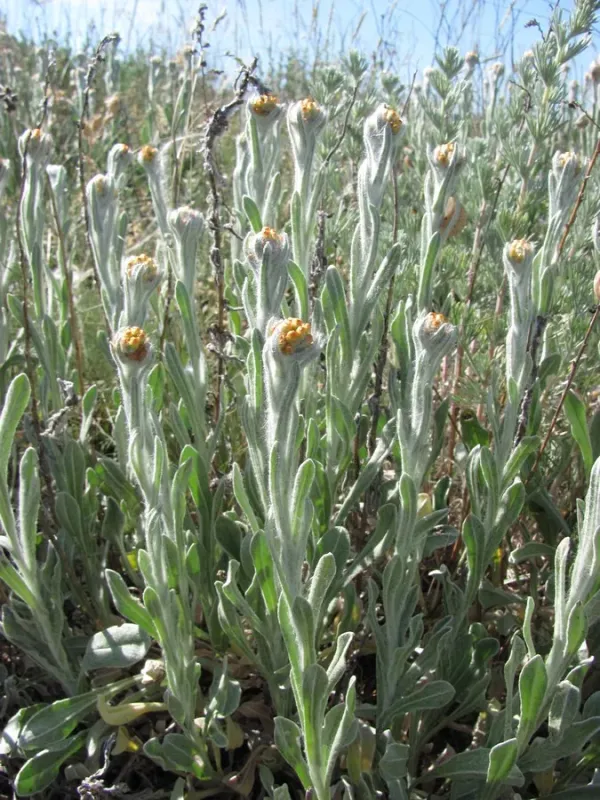
Description
Sowing dates
The sowing of Helichrysum graveolens is typically performed in the spring when the soil has sufficiently warmed up. Depending on the local climate, the ideal window for direct outdoor sowing usually falls between mid-April and early May to ensure seeds sprout safely.
For those utilizing greenhouse propagation, sowing begins in late winter or early spring. Starting seeds in controlled environments allows for the development of sturdy seedlings that can be transplanted once the threat of late frosts has completely passed.
Because the seeds are extremely small, they require surface sowing. They should be scattered evenly over the prepared seedbed and lightly pressed into the soil to maintain good contact without being buried, which could hinder germination.
For large-scale cultivation, maintaining proper row spacing is crucial. A gap of 45 to 60 centimeters between rows facilitates necessary mechanized maintenance, weeding, and ensures sufficient space for each plant to reach its full size.
Thinning is an essential post-sowing practice. Once seedlings reach a few centimeters in height, they should be thinned to provide 20–30 centimeters between individual plants, ensuring proper aeration to prevent moisture buildup around the base.
Growing requirements
Helichrysum graveolens, a member of the Asteraceae family, is a perennial subshrub naturally adapted to arid and stony environments. It thrives in open, full-sun locations, which are essential for maximizing the biosynthesis of its aromatic essential oils.
Soil requirements are strict regarding drainage. This species demands light, sandy, or rocky soil with excellent permeability. Heavy soils that retain water are detrimental, often causing root rot and leading to significant crop loss during the rainy seasons.
Once established, the plant exhibits remarkable drought tolerance. However, during the early stages of growth, consistent moisture is required for the roots to develop. Over-watering after establishment is a common mistake that should be avoided.
Climatic adaptability is one of the plant's strengths, provided it is not subjected to excessively cold winters in waterlogged ground. It handles high temperatures efficiently, making it an excellent candidate for regions with long, dry summers.
Nutrient management focuses on avoiding high nitrogen levels. Excessive nitrogen encourages rapid, lush vegetative growth at the expense of flower production and essential oil quality; therefore, balanced organic or mineral fertilization is preferred.
Yield
The yield of Helichrysum graveolens peaks between the second and third years of cultivation. During this period, the plants develop a dense, bushy structure, significantly increasing the number of flower heads produced per unit of area.
Under optimal management conditions, growers can expect a yield ranging from 0.5 to 1.5 tons of dried raw material per hectare. Variability in yield is often linked to the number of sunny days during the flowering phase, which influences oil production.
The quality of the yield is defined by the concentration and composition of the essential oil. Harvesting at the precise moment of full bloom ensures the highest yield of active ingredients, which are critical for the pharmaceutical and cosmetic industries.
Productivity is highly correlated with the level of weed control. If weeds are allowed to compete for resources, the overall weight of the harvested biomass decreases, and the plant's vigor is noticeably reduced over time.
Implementing precision irrigation techniques can stabilize annual yields in dry climates. Even a small amount of supplemental water during peak growth phases can significantly increase the total count of harvested flower heads without diluting the aroma.
Main diseases and pests
Fungal diseases represent the most significant threat to Helichrysum graveolens plantations, particularly in humid climates. Powdery mildew can affect the foliage, reducing the plant's photosynthetic capacity and overall health.
Root rot is a persistent danger caused by poor drainage or over-irrigation. Once infected, the plant is difficult to recover, making prevention through soil selection and proper site preparation the most effective defense strategy.
Pests such as aphids and spider mites may target the young, tender growth during the early summer months. These pests sap nutrients and can cause the deformation of flower stalks, ultimately impacting the harvest quality.
Integrated pest management (IPM) is highly recommended. This involves monitoring pest populations and utilizing biological controls or targeted, eco-friendly treatments to protect the integrity of the flowers intended for oil distillation.
Crop rotation is a vital preventive measure to reduce the buildup of soil-borne pathogens. Moving the crop to a different field every few years prevents the accumulation of specific pests and diseases that thrive on Helichrysum species.
Harvesting
Harvesting should be conducted when the flower heads are in full bloom, which is when the oil glands are at their most productive. Delaying the harvest can result in over-mature flowers that lose their intensity and aesthetic value.
The material is usually gathered by hand-cutting or using harvesting machines designed for herbs, which clip the top 10–15 centimeters of the flowering stems. Harvesting must be performed during dry weather to prevent microbial contamination.
Post-harvest handling is critical. The raw material should be dried immediately in a shaded, well-ventilated area to prevent spontaneous fermentation or mold growth, which would compromise the delicate aromatic compounds.
Drying temperatures must be kept low, ideally not exceeding 40 degrees Celsius. Excessive heat causes the volatile compounds to evaporate, significantly reducing the final oil yield and altering the scent profile of the product.
After reaching the appropriate moisture content, the dried material should be stored in cool, dark, and dry conditions. Proper storage prevents degradation and allows for a longer shelf life before the final processing or sale takes place.