
Lamarck's everlasting
Helichrysum lamarckii
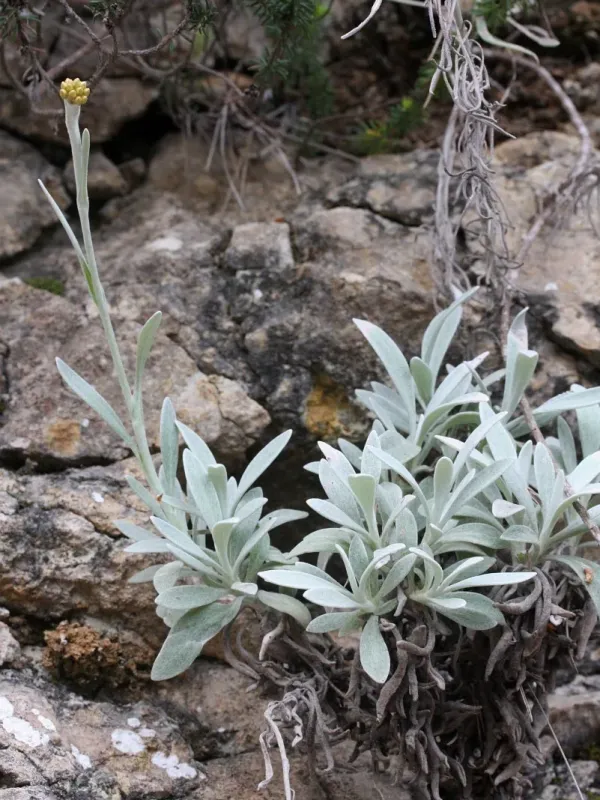
Description
Sowing dates
Sowing Helichrysum lamarckii is best performed in the spring when soil temperatures reach a comfortable range for germination. Starting seeds indoors 6 to 8 weeks before the last frost date ensures a longer flowering season in cooler climates.
The seeds of this species are minute and require surface sowing. They should be pressed gently into the soil but not covered, or only lightly dusted with fine vermiculite to maintain moisture while ensuring they receive adequate light for germination.
For indoor propagation, maintain a consistent soil temperature of about 18-20 degrees Celsius. Once the seedlings develop their first true leaves, they should be pricked out into individual small pots to encourage strong root development.
Transplanting into the garden bed should occur once the danger of frost has passed. Spacing is crucial; allow 25-30 centimeters between plants to promote airflow, which is essential for preventing moisture-related plant diseases.
Direct sowing in the garden is possible in late spring. While this method requires less effort, it is most successful in regions with long, warm growing seasons where the plants can establish themselves before the heat of summer.
Growing requirements
As a member of the Asteraceae family, Lamarck's everlasting thrives in full sun. It requires a location that receives at least 6 to 8 hours of direct sunlight daily to produce high-quality, vibrant blossoms.
Well-drained soil is the most critical requirement for successful cultivation. Sandy, rocky, or gravelly soils that mimic its natural habitat are ideal, as this plant is extremely sensitive to root rot caused by stagnant water.
The species is highly drought-tolerant once established. It does not require frequent irrigation, and in fact, excessive watering can weaken the plant and encourage the development of fungal infections in the root zone.
The soil should have a neutral to slightly acidic pH. Avoid adding heavy nitrogen-rich fertilizers, as these promote excessive vegetative growth at the expense of flower production, which is undesirable for a crop grown for its blooms.
Protection from cold, damp winds is advisable. While the plant is resilient, it prefers stable environmental conditions and performs best in climates that offer dry, warm summers and mild winters.
Yield
The yield of Helichrysum lamarckii is measured by the quality and quantity of its flowers, which are highly prized for the dried flower market. Proper maintenance and regular harvesting are key to maximizing production.
Productivity increases significantly during the second year of growth as the plant matures. To ensure a continuous harvest, it is essential to remove spent flowers promptly, which encourages the plant to initiate new growth and flower buds.
Crop uniformity is vital for commercial viability. Implementing standardized planting densities and consistent irrigation scheduling helps ensure that all plants reach harvest maturity simultaneously, simplifying the labor process.
Factors influencing yield include light intensity and soil aeration. High-quality harvests are consistently achieved in open, sunny locations where plants are not competing with weeds for soil nutrients or water.
Yield estimation should account for potential losses during the drying process. Harvesting at the peak of quality, while the flowers are still partially closed, is the most effective way to maximize the final marketable yield.
Main diseases and pests
Fungal pathogens, particularly root rot, are the primary threat to the crop. These are usually a result of poor soil drainage or excessive moisture, necessitating strict adherence to irrigation best practices.
Pests such as aphids and spider mites can attack the plants, especially in hot, dry conditions. These insects can cause damage by feeding on plant sap, leading to stunted growth and discolored leaves if left unmanaged.
Powdery mildew may occur during periods of high humidity and poor ventilation. Keeping the planting area free of weeds and ensuring adequate space between plants are effective preventative measures.
Root-knot nematodes can also be a significant issue in some soil types. Crop rotation is highly recommended to prevent the buildup of soil-borne pathogens and pests that specifically target members of the Asteraceae family.
Integrated pest management, including the use of beneficial insects and biological controls, is preferred over broad-spectrum chemical interventions to maintain the quality of the flowers for indoor use.
Harvesting
Harvesting Lamarck's everlasting must be done during dry, sunny weather. Any moisture on the petals or leaves at the time of harvesting will compromise the quality of the dried product, potentially causing molding.
Flowers should be cut when the buds are still semi-closed, as they will continue to open slightly during the drying process. Cutting the stems early in the morning, once the dew has evaporated, preserves the best color quality.
For drying, bunch the stems together and hang them upside down in a shaded, well-ventilated location. Avoiding direct sunlight during the drying process is essential to prevent the flowers from bleaching.
Once dried, the stems should be brittle but strong enough to hold the flower heads upright. The entire process typically takes a few weeks, depending on the ambient humidity levels in the drying room.
Store finished dried flowers in a cool, dark, and dry area. Exposure to excessive humidity after drying can cause the flowers to soften and lose their aesthetic appeal, so proper storage conditions are paramount.