
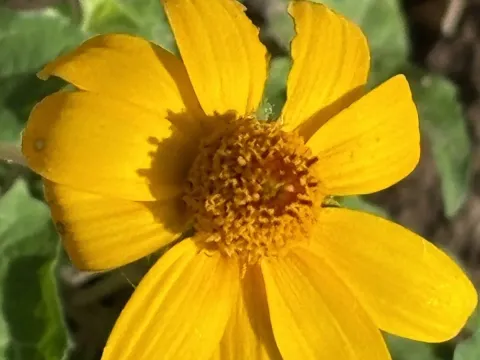
Heliopsis
Heliopsis Pers.
Sowing Heliopsis seeds directly into the garden should be performed in late spring once the threat of heavy frost has passed. The soil must be sufficiently warm for successful germination.
What the section contains

Heliopsis
For earlier blooms, starting seeds indoors in late winter is highly recommended. Use a well-draining seed-starting mix and keep the containers in a bright, temperate location.
Seeds typically germinate within two to three weeks under consistent temperatures. Once seedlings develop their first true leaves, they should be transplanted into larger pots.
Hardening off the seedlings before moving them to their permanent outdoor location is a critical step in the growing process to ensure they adapt to ambient environmental conditions.
Space the plants according to their mature size, usually 40–60 centimeters apart, to ensure proper air circulation and to prevent overcrowding in the flower bed.
Heliopsis is a member of the Asteraceae family that thrives in full sun. It requires at least six to eight hours of direct sunlight daily to produce vibrant yellow blooms.
The ideal soil for this crop is moderately fertile and well-drained. While the plant can tolerate various soil types, it performs best in loamy substrates with a neutral pH.
Although it is relatively drought-tolerant once established, supplemental watering during hot, dry summer months will significantly enhance the quality and duration of the flowering period.
Regular fertilization is not strictly required but can be beneficial. Applying a balanced liquid fertilizer in late spring can boost overall vigor and promote a more dense growth habit.
Deadheading spent flowers is a key cultural practice that encourages the plant to produce a second flush of blossoms and maintains a tidy appearance throughout the season.
Powdery mildew is the most common fungal disease affecting Heliopsis. It appears as a white dusting on leaves and is typically triggered by humid, stagnant air around the plants.
Aphids can be a significant pest, particularly during the early stages of growth. They cluster on stems and buds, which can stunt development if left untreated with appropriate soap sprays.
Root rot occurs if the plant is situated in soil with poor drainage. Ensuring that the site is elevated or properly amended with organic matter helps mitigate this risk.
Leaf spots caused by various fungi may appear during excessively rainy seasons. Removing infected foliage and improving airflow is essential for managing the spread of such infections.
Maintaining a weed-free environment around the base of the plants helps reduce the habitat for harmful insects and improves the general sanitary conditions of the garden.