
Helianthus hirsutus
Helianthus hirsutus
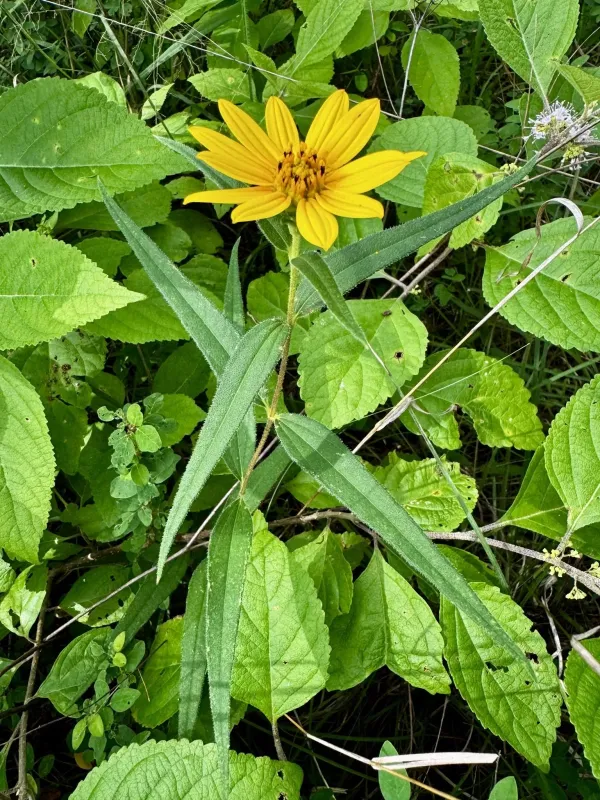
Description
Growing requirements
The hairy sunflower requires full sun exposure to reach its maximum biological potential. Adequate light intensity is essential for promoting healthy vegetative growth and ensuring the development of floral structures, which are vital for seed production and reproduction.
Regarding soil preferences, the plant thrives in well-drained loamy or sandy soils. While it exhibits some tolerance to different soil textures, it is highly sensitive to waterlogged conditions, which can inhibit root respiration and lead to the development of fungal pathogens within the root system.
This species is highly adaptable to various climatic zones, demonstrating significant cold tolerance during dormant periods. The presence of rhizomes allows the plant to survive harsh winter conditions and successfully regenerate growth during the following spring, making it a durable choice for temperate climates.
Nutrient management should focus on maintaining a balanced fertility profile. While the species is not overly demanding of high nitrogen inputs, the application of phosphorous and potassium in the late season can significantly improve the hardening of rhizomes, ensuring better winter survival and spring vigor.
Cultural practices include occasional cultivation to reduce competition from invasive weeds during the establishment phase. Once the stand is well-established, the hairy sunflower's dense canopy and aggressive root network effectively suppress most competing vegetation, reducing the need for intensive management.
Main diseases and pests
Common pests include various insects that target Asteraceae, such as sunflower moth larvae and beetles that feed on developing flowers or stems. These pests can impact seed yield, though the plant's natural defenses and stiff hairs often provide moderate levels of resistance against herbivory.
Fungal diseases, including powdery mildew and rust, can occur during periods of high humidity or poor air circulation within the stand. Maintaining proper spacing and ensuring adequate sunlight penetration are key management strategies to mitigate the development of these pathogenic fungi.
Root rot represents a significant threat in poorly drained soils. Excess moisture creates favorable conditions for soil-borne pathogens that attack the rhizomes. Proper site selection and site preparation remain the most effective preventive measures against these devastating root diseases.
Vertebrate pests, specifically rodents, may cause damage to the underground rhizomes during the dormant season, especially in areas with significant winter snow cover. Monitoring and implementing localized control measures are recommended to protect the integrity of the perennial stand.
Biological control remains the preferred approach for managing threats to the hairy sunflower. By encouraging natural populations of beneficial insects and predators, growers can maintain a stable balance, minimizing the environmental footprint and the need for synthetic pesticide applications.